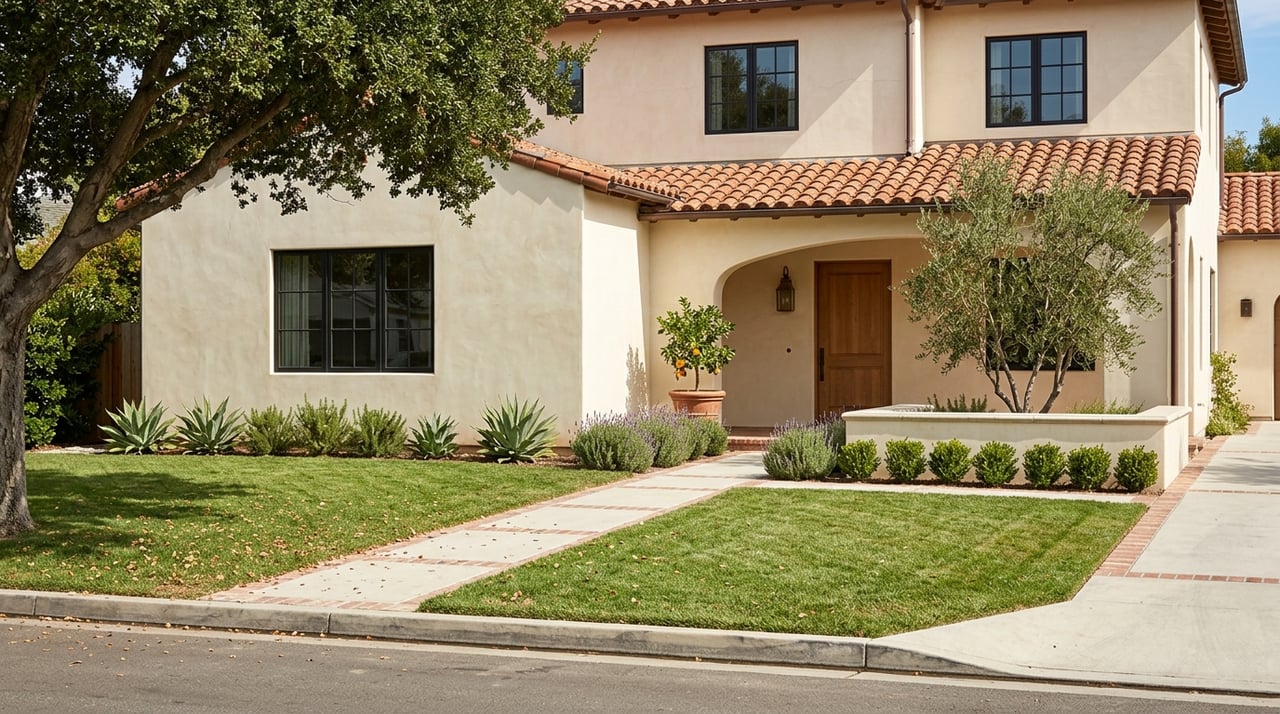
Choosing Between Newer And Established Neighborhoods In Livermore
June 11, 2026
June 11, 2026
If you are deciding between a newer neighborhood and an established one in Livermore, you are really choosing between two different ways of living. One may offer a more turnkey, lower-maintenance setup, while the other may give you more land, more character, and more room to make the home your own over time. The good news is that Livermore offers both, and each can be a smart fit depending on your goals. Let’s dive in.
Livermore’s housing pattern has a clear split between its historic downtown and central areas and its newer growth areas, especially on the east side. The city describes downtown as the community’s center and heart, with a pedestrian-friendly mix of commercial, entertainment, office, and housing uses. Around that older core, many neighborhoods include postwar and mid-century homes that now feel established and mature.
On the newer side, specific-plan areas such as Isabel and Brisa reflect a more recent style of development. These areas were designed with higher density, added parks, trail connections, and new infrastructure. In practical terms, your choice often comes down to this: newer east-side communities versus older central and west-side neighborhoods.
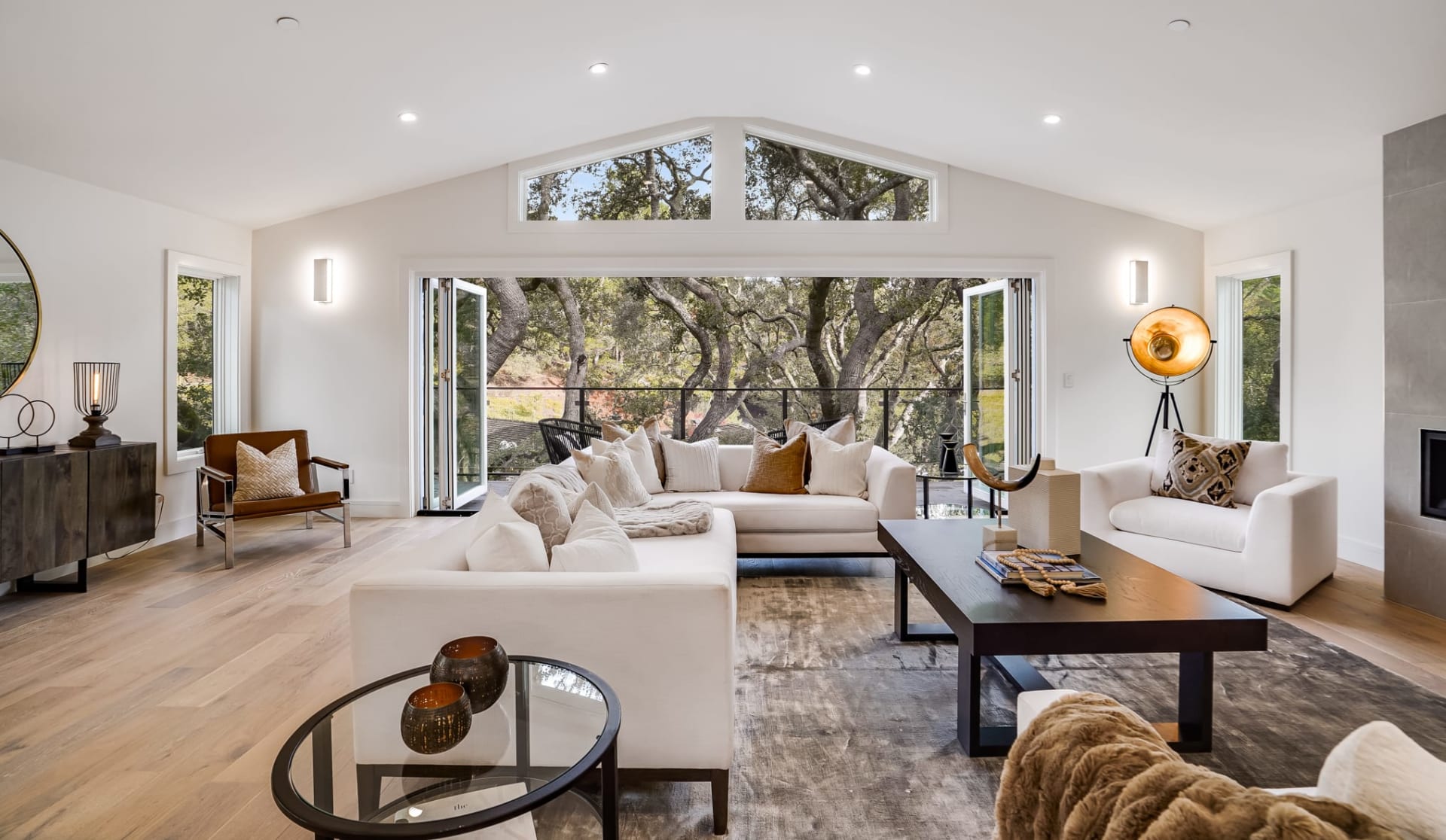
Newer Livermore neighborhoods often appeal to buyers who want a more move-in-ready home and less immediate repair work. Many of these communities include attached housing, townhome-style layouts, or condominiums, along with shared outdoor spaces and community amenities. That can be a strong fit if you value convenience and modern design over a large private yard.
The Isabel Neighborhood Specific Plan allows for 4,095 new multifamily units, about 2.1 million square feet of office, business park, and commercial space, plus three new parks and bike improvements. Brisa includes 510 dwellings on a 37.5-acre site, along with two neighborhood parks, trail networks, and connections to the ACE station area. Other newer projects like Amarone and Shea Aura add for-sale condominiums with townhome-style living, balconies or rooftop terraces, and pocket parks.
If you are drawn to newer construction, these are often the biggest benefits:
That said, newer does not always mean lower total cost. Condo and townhome living often comes with HOA or condo fees for shared expenses, and many buyers trade private outdoor space for a more compact, amenity-oriented lifestyle.
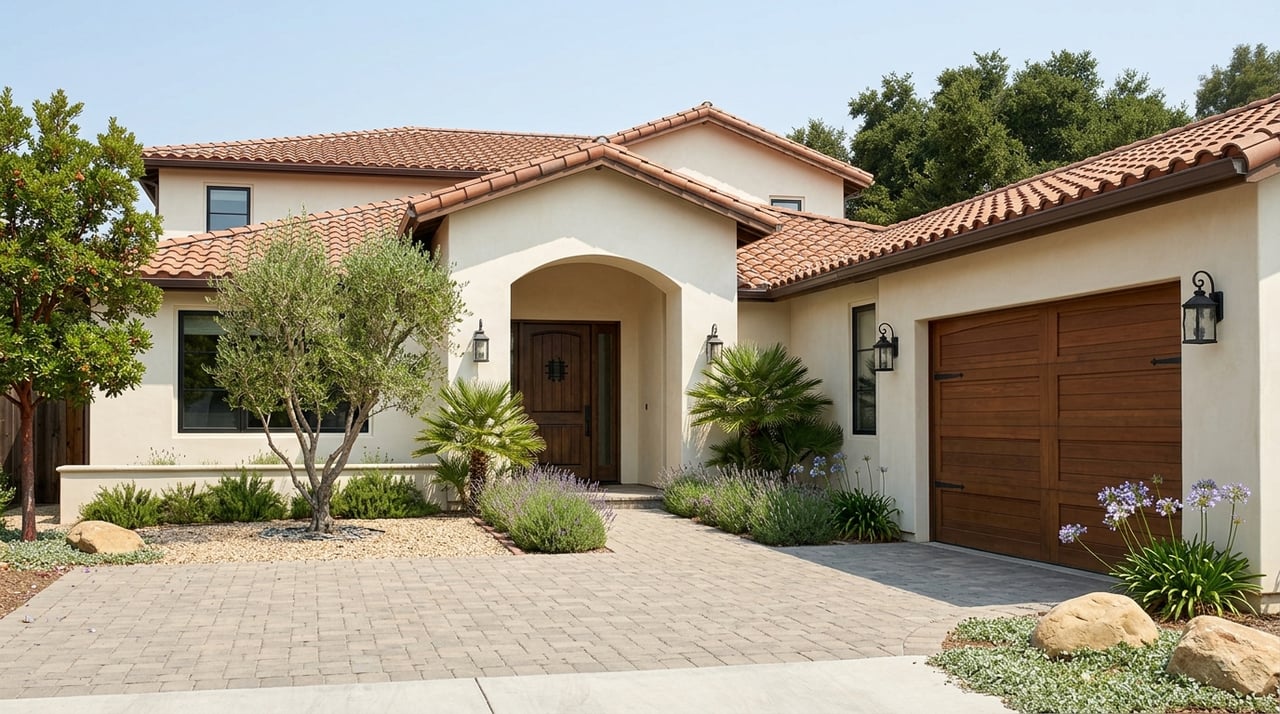
Established neighborhoods in Livermore tend to deliver a different kind of value. Many have older detached homes, wider lots, mature trees, and a more traditional neighborhood feel. If you want more space around you or like the idea of improving a property over time, this side of the market may be more appealing.
Examples across Livermore show that pattern clearly. Tempo homes from the late 1960s and early 1970s commonly sit on lots of roughly 7,500 to 10,000 square feet. Sunset West features mostly 1960s and 1970s ranch homes with room for gardens and landscaping, while Sunset East includes 1960s ranch homes, many on about half-acre lots with mature palms, oaks, and evergreens.
Wagner Farms is known for mainly 1960s ranch homes on enclosed streets and cul-de-sacs, with mature trees on many lots. Jensen also leans heavily on mid-century ranch housing, much of it updated over time, with some later infill added from the 1990s through the 2010s. These neighborhoods often attract buyers who care more about lot size, layout flexibility, and long-term upside than brand-new finishes.
Established neighborhoods often make sense if you want:
The tradeoff is that older homes are more likely to need updates over time. Roofs, HVAC systems, windows, kitchens, baths, and landscaping may all require planning, budgeting, or renovation depending on the property.
Downtown Livermore does not fit neatly into either box. It is part of the city’s established side, but it has a more urban and mixed-use feel than classic ranch neighborhoods farther out. The city describes downtown as a pedestrian-friendly commercial and entertainment district, and recent projects like Stockmen’s Park and downtown residential infill have reinforced that role.
If you want to be closer to shopping, dining, entertainment, and cultural activity, downtown may stand out. Some homes there will feel more connected to the city’s historic fabric, while others may reflect newer infill in a walkable setting. For buyers who value access and activity over lot size, downtown deserves a separate look.
A common mistake is assuming newer neighborhoods always have the better commute. In Livermore, commute convenience depends more on the exact location than the age of the neighborhood. The city identifies I-580 as the primary freeway, with I-680 and Route 84 also important for regional commuting.
Livermore also has ACE service near Downtown Livermore by the Transit Center and another station at Vasco Road near Lawrence Livermore Lab, with Wheels bus connections available from the Transit Center. That means newer east-side neighborhoods in the Isabel and Brisa corridors may offer strong freeway and rail access. Meanwhile, central and west-side neighborhoods may offer easier access to downtown amenities and, in some cases, solid freeway connections too.
Sunset West, for example, is less than 2 miles from downtown and also has close access to Stanley Boulevard, I-580, and ACE. Sunset East is about 10 minutes from I-580 and also uses ACE and Dublin BART connector buses. So if commute and access matter to you, it helps to compare the exact pocket, not just the age of the housing.
This is where many buyers make the wrong comparison. A newer home may feel simpler because it needs less work up front, but your monthly ownership cost may include HOA or condo fees. An older home may come with fewer shared fees, but you may need to budget more for maintenance, repairs, or future upgrades.
A practical way to evaluate your options is to look at the full cost of ownership, including:
As a rule of thumb, newer Livermore properties often shift cost toward the upfront purchase and association dues. Older Livermore homes often shift cost toward yard work, updating, and future repairs. That is not a formal city rule, but it is a useful way to frame the decision.
If your top priority is convenience, newer construction may be the better fit. You may prefer modern layouts, newer systems, lower immediate maintenance demands, and community amenities that support a more compact lifestyle. This can be especially appealing if you want a more predictable move-in experience.
If your top priority is space, character, or long-term customization, an established neighborhood may serve you better. A larger lot, mature trees, and the chance to renovate over time can create strong lifestyle value. For some buyers, especially those comfortable evaluating condition and improvement potential, older homes offer more flexibility.
Choose newer construction if you want:
Choose an established neighborhood if you want:
In Livermore, the right answer is rarely just about a home’s age. It is about how the property lines up with your budget, upkeep tolerance, commute needs, and comfort with future projects. Two homes at similar price points can deliver very different ownership experiences once you account for fees, condition, lot size, and renovation needs.
That is where practical guidance matters. If you are weighing a newer condo, townhome, or planned community against an older ranch or value-add property, it helps to have an advisor who can look beyond the listing photos and help you assess the real tradeoffs. That includes not just market fit, but also condition, improvement path, and long-term value.
If you want help comparing newer and established neighborhoods in Livermore, Michael Forkas can help you evaluate the options with a strategic, practical lens.
Stay up to date on the latest real estate trends.
Partner with an experienced developer and advisor for your next real estate move.
MICHAEL FORKAS | CA DRE# 01730105
ADDRESS WALNUT CREEK CA 94595