Downtown, Trailside, Or Hillside? Decoding Lafayette’s Micro-Neighorbo
July 16, 2026
July 16, 2026
If Lafayette feels hard to pin down, that is because it is. More than many cities, Lafayette is shaped by how you want to live day to day, not by rigid neighborhood lines on a map. If you are trying to decide between convenience, trail access, or privacy, this guide will help you sort out the trade-offs and spot the kind of setting that fits you best. Let’s dive in.
Lafayette is easier to understand as a city of lifestyle zones than as a collection of official micro-neighborhoods. According to the City, more than 75% of Lafayette’s land is designated for single-family residential use, less than 3% is commercial, and about 15% is open space.
That pattern shapes how the city lives. Residential areas stretch along valley floors and into the surrounding hillsides, while most commercial activity stays concentrated along the Mt. Diablo Boulevard corridor. In practical terms, your experience in Lafayette can change a lot depending on whether you live near downtown, near a trail corridor, or up in the hills.
The most useful buyer shorthand is to think about Lafayette in three broad categories:
These are not official city districts. They are simply a practical way to decode what daily life may feel like in different parts of Lafayette.
Lafayette’s downtown core runs along Mt. Diablo Boulevard and includes the city’s commercial center, the BART station, and the Downtown Retail and Plaza districts. The City’s planning documents show this corridor, from Acalanes Road to Pleasant Hill Road, as the area that will continue to absorb much of Lafayette’s newer housing.
This is also the part of town being shaped around multiple ways to get around. Walking, biking, transit, and driving all play a role downtown, and the City has tied creek restoration and public access to making the area more attractive for shopping, dining, and spending time.
If you picture large detached lots, downtown is usually not that. City land-use rules describe the core as a pedestrian-friendly mixed-use area, with higher-density development that can include condos, townhomes, apartments, and senior housing.
The framework allows base heights of 35 feet and three stories, with some downtown core areas allowing up to 60 feet and up to 60 units per acre. A recent city update on the Oak Hill project, an 85-residence condo development near BART, reinforces that newer housing is still being concentrated in this part of Lafayette.
This bucket tends to appeal to buyers who want convenience first. If being close to BART, errands, dining, and community events matters more to you than having a large private yard, downtown-adjacent living can make a lot of sense.
It can also be a useful fit if you want newer housing product, lower day-to-day car dependence, or a home base that feels connected to the city center. For some buyers, that lifestyle is the real value.
The trade-offs are fairly straightforward. You are more likely to have shared parking, shared building systems, and less private outdoor space than in Lafayette’s established single-family areas.
You may also be closer to traffic, nearby construction, and the movement that naturally comes with a mixed-use corridor. If you love energy and access, that may feel like a fair exchange. If you want quiet separation, it may not.
Lafayette maintains more than 16 miles of hiking trails, including seven city-managed trails, the Lafayette-Moraga Regional Trail, reservoir trails, and connections into Briones. The City notes that these trails link neighborhoods, provide alternative routes, and sometimes depend on easements across private parcels.
That matters more than it may sound at first. In Lafayette, trail access is often not just about being near a park. It can be a real part of your neighborhood pattern and daily routine.
Many trail-oriented areas feel established rather than newly built. Lafayette’s housing history notes that builder Jack Marchant developed about one-quarter of the city’s homes, including roughly one-third of Burton Valley and many homes in Silver Springs, Happy Valley, Spring Dell, and Spring Hill.
Those homes were often classic California ranches with low-pitched roofs, porches, family rooms, exposed beams, brick fireplaces, and garages. As flatter land filled in over time, later building moved more into the hills. That helps explain why many trail-access pockets still carry a strong mid-century neighborhood feel.
Several city-managed and connected routes help illustrate this category:
These are useful examples because they show how trail access in Lafayette can range from easy daily walks to more active terrain and view-driven routes.
If you want a classic Lafayette feel with easier access to walking, jogging, biking, or open space, this category often stands out. For many buyers, the appeal is not just the home itself. It is the way the home connects to outdoor routines.
This bucket can be especially appealing if you value an established neighborhood setting and want nearby access to the reservoir or broader trail network. In a city where open space matters, that daily connection can shape your quality of life.
Trail-access living comes with a few practical trade-offs. Lots can be more irregular, and some access points rely on trail easements rather than a simple park entrance.
You may also find tighter parking near neighborhood trailheads or more public foot traffic near creek and open-space edges. For some buyers, that is part of the charm. For others, it is a detail worth thinking through before making an offer.
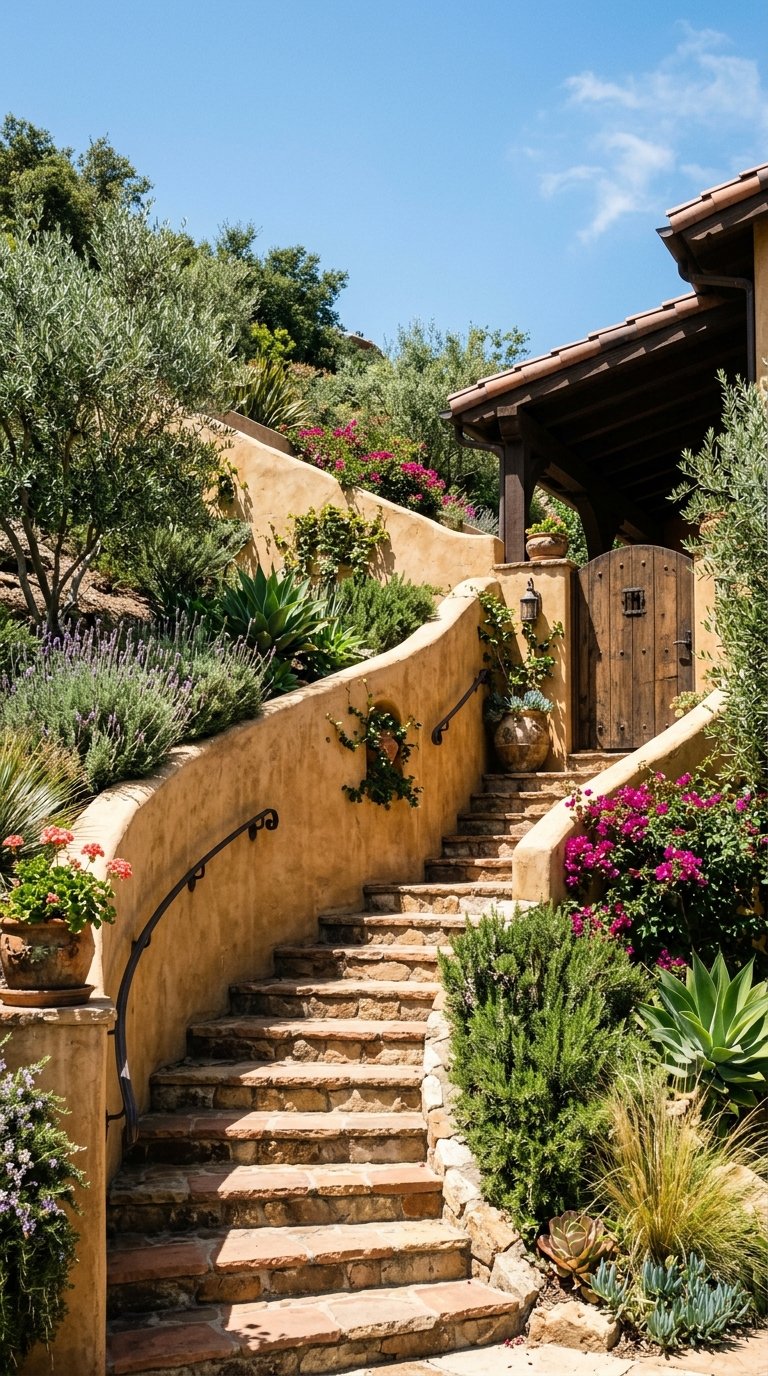
Lafayette’s hillside areas are shaped by the City’s Hillside Overlay District, which is intended to protect ridgelines, hillside terrain, and rural residential areas. In many cases, projects in these locations require a Hillside Development Permit.
The General Plan says Rural Residential areas are meant to keep hillsides in as natural a condition as feasible, with homes designed to blend into the landscape and maintain low visibility. Density is very low by suburban standards, with up to 0.1 dwelling units per acre in Rural Residential and up to 0.2 in Rural Residential-5.
Hillside homes in Lafayette tend to be more custom and more site-driven. Planning documents emphasize scenic views, unobtrusive roads, and underground utilities when feasible.
The city’s housing history notes that later hillside homes often shifted away from ranch style and toward wood-and-glass designs inspired by Sea Ranch, using the site to capture views. More recently, the City has continued to process custom hillside homes on vacant lots, including a 2026 proposal for a 4,330-square-foot home with a 2,200-square-foot attached garage in the overlay district.
This category usually appeals to buyers who value privacy, separation, and view potential. If you want a home that feels tucked away from the busier parts of town, the hills can offer a very different experience from downtown or flatter neighborhood streets.
For some buyers, the setting is the main draw. A sloped, view-oriented lot may offer a stronger sense of retreat, even if it asks more from you in terms of maintenance, planning, or future improvements.
Hillside living is rarely the easiest option, but it can be the most rewarding for the right buyer. Lots are often sloped and irregular, with longer driveways, more grading, and more design review than flatter properties.
If you plan to expand, rebuild, or significantly improve a property, approvals may be more rule-driven because of hillside development standards. Flat usable yard space may also be more limited than you would find in valley-floor neighborhoods.
One important seam in Lafayette is Deer Hill Road. The City’s General Plan notes that north of the freeway, land use protects semi-rural single-family neighborhoods, while south of Deer Hill near Pleasant Hill Road, the map shifts more toward office and multifamily uses.
That makes Deer Hill Road a helpful reference point when you are trying to understand why one area feels more spacious and low-density while another feels more connected to transit, multifamily housing, and commercial services. In Lafayette, small geographic shifts can create very different living patterns.
If you want walkability, transit access, and newer condo or townhome options near BART and the city center, downtown-adjacent living is likely the best match. It offers a more connected daily routine and easier access to the commercial core.
This option can also make sense if you prefer lower exterior maintenance and are comfortable trading private yard space for location and convenience.
If your ideal day includes easy access to walking routes, neighborhood trails, or the reservoir and open-space network, trail-access pockets deserve a close look. These areas often combine established homes with strong outdoor access.
You may also prefer this category if you like classic ranch neighborhoods and want a middle ground between downtown convenience and hillside privacy.
If privacy, views, and a more secluded setting matter most, hillside retreats may be your best fit. This bucket often works best for buyers who are comfortable with slope, custom design conditions, and more property-specific considerations.
It can also be a smart lens for buyers who see potential in custom homes, renovation strategy, or long-term value tied to setting and orientation.
When you tour homes in Lafayette, do not just ask whether you like the house. Ask whether you like the micro-location pattern that comes with it.
A downtown condo, a ranch home near a trail corridor, and a custom hillside property can all be in Lafayette, yet they serve very different goals. The smartest move is to match the property type, lot pattern, and daily lifestyle trade-offs to what you actually want your week to look like.
That is where a more strategic reading of the market helps. In a place like Lafayette, value is not only about square footage or finishes. It is also about access, land use, future housing patterns, and what your setting allows or limits over time.
If you want help comparing Lafayette homes through both a lifestyle and property-potential lens, Michael Forkas can help you evaluate the trade-offs and opportunities with a clear, practical strategy.
Stay up to date on the latest real estate trends.
Partner with an experienced developer and advisor for your next real estate move.
MICHAEL FORKAS | CA DRE# 01730105
ADDRESS WALNUT CREEK CA 94595