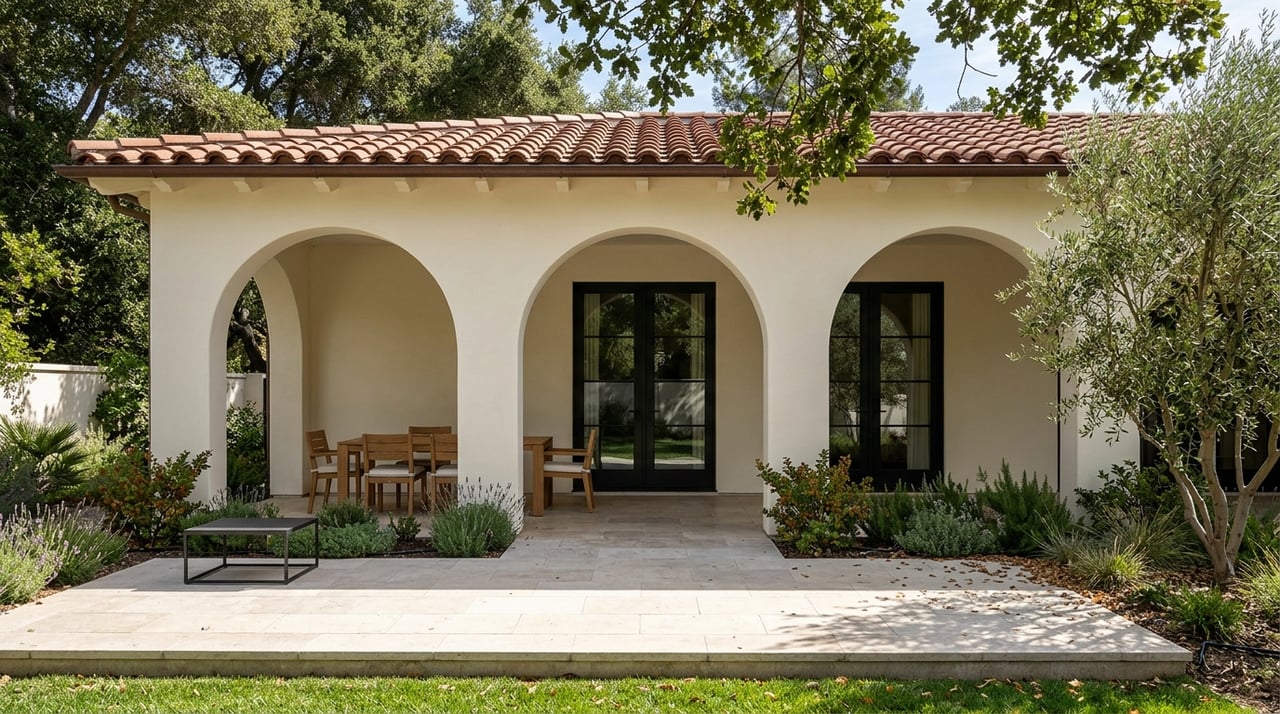
What It’s Like To Live In Moraga: Quiet Retreat Near The Action
July 9, 2026
July 9, 2026
Looking for a Bay Area town that feels calm and residential without cutting you off from everything else? Moraga stands out for exactly that reason. If you want more open space, a quieter day-to-day setting, and easy access to nearby East Bay amenities, this guide will help you understand what living in Moraga is really like. Let’s dive in.
Moraga is a small town in the East Bay hills between Orinda and Lafayette. The U.S. Census Bureau estimates a population of 16,322 residents in 2025 across 9.46 square miles, which helps explain its lower-density, more residential feel.
The town’s stated mission includes preserving natural landscape and supporting leisure opportunities within Lamorinda. In practical terms, that means Moraga tends to feel more like a quiet retreat than a busy suburban hub.
If you picture a place with less bustle and more breathing room, Moraga fits that image well. The town is known for its hillside setting, residential character, and strong connection to open space.
That quieter atmosphere is a big part of the appeal. You are still in the Bay Area, but your day-to-day surroundings can feel more removed from the pace of larger nearby cities.
Moraga’s parks, trails, and open space are central to how people use the town. This is not just a nice extra. It is part of the local rhythm.
Moraga Commons is one of the clearest examples. The 40.2-acre park sits near the center of town and includes a bandshell, bocce courts, disc golf, picnic areas, playgrounds, sand volleyball, a skatepark, and a splash feature.
For many residents, that kind of access supports an easy outdoor routine. You can picture morning walks, time at the park, community events, or a quick outing without needing to leave town.
The Lafayette-Moraga Regional Trail is another major lifestyle feature. It connects Moraga Commons, schools, commercial areas in downtown Moraga, and regional trail systems.
That gives the town a more connected feel for everyday movement and recreation. Even though Moraga is quiet, it is not disconnected.
Moraga also has a neighborhood-scale social calendar that adds energy without changing the town’s overall calm feel. Recurring events include Hacienda Nights and the Pear and Wine Festival, along with other seasonal special events.
These kinds of events help create a sense of local routine and familiarity. If you value a town where community life happens on a smaller, more approachable scale, Moraga offers that experience.
One thing to know is that Moraga does not work like a city with one traditional downtown. Instead, the town has two active commercial centers, Moraga Center and Rheem, along with Saint Mary’s College as another activity center.
That setup shapes how errands and daily convenience feel. Rather than one dense core, you have a few key places that anchor services, shopping, and activity.
Town planning documents describe a long-term vision for Moraga Center as a pedestrian-oriented activity center with higher-density housing and mixed uses. The town has also emphasized making both the Rheem and Moraga shopping centers more pedestrian oriented.
There is also approved partial redevelopment at Rheem Valley Shopping Center that would add a new grocery store building and additional tenant space. For residents, that points to continued investment in everyday convenience while keeping the town’s smaller-scale character.
Moraga’s appeal is not just what is inside town limits. It is also about what is nearby.
Town economic analysis notes that Lafayette and Orinda are part of the secondary trade area, and State Route 24 is about three miles north of the town boundary with access through Orinda and Lafayette exits. That means you can enjoy a quieter home base while staying connected to larger East Bay destinations.
For many buyers, that balance is the key selling point. You get a more residential setting, but you are not isolated from shopping, dining, or regional commuting routes.
Moraga is largely an owner-occupied community. The owner-occupied housing rate is 83.1%, which reflects a market with many established homeowners and a strong residential identity.
The U.S. Census Bureau reports a median value of owner-occupied homes at $1,663,200. Median monthly owner costs with a mortgage are listed at $4,000+, which reinforces that Moraga is a higher-price East Bay market.
These numbers point to a town where many buyers are looking for long-term ownership rather than a short-term stop. For you, that can mean a market shaped by stability, limited density, and a strong focus on lifestyle.
If you are comparing Moraga with other East Bay communities, it helps to think beyond price alone. Setting, lot patterns, access to open space, and the overall pace of the town are a big part of the value equation here.
Moraga’s age mix suggests a broad residential base. According to Census data, 22.7% of residents are under 18 and 19.8% are 65 and over.
That combination suggests a mix of households, including families, long-term homeowners, and retirees. It helps explain why Moraga often feels steady and established rather than fast-changing.
The median household income is $216,193, and the mean travel time to work is 30.6 minutes. Those figures add more context to the town’s profile as a higher-income, primarily residential community within the East Bay.
For buyers who are weighing day-to-day logistics, schools are part of the local landscape. The Moraga School District lists 1,823 students across four schools.
Saint Mary’s College also contributes to the town’s identity. The college describes its Moraga campus as nestled in the hills with an intimate community feel, which aligns with the broader character many people associate with the area.
When you explore Moraga, it helps to think of schools and the college as community anchors rather than separate destinations. They are part of how the town is organized and experienced.
Moraga is best understood as a place that prioritizes quiet residential living, outdoor access, and a small-town rhythm. It is not trying to compete with larger East Bay cities on density or nonstop activity.
Instead, its appeal comes from a different formula. You have open space, trails, local events, small commercial centers, and practical access to Lafayette, Orinda, and Highway 24.
That combination is what makes Moraga feel like a retreat near the action. You can enjoy a calmer setting at home while still reaching the broader Bay Area network when you need it.
If Moraga is on your list, you may be looking for more than square footage alone. You may be prioritizing setting, daily pace, and long-term livability.
Moraga can make sense if you are drawn to:
For some buyers, that balance is hard to find elsewhere. Moraga offers a distinct lifestyle choice within the Bay Area, especially if you want calm surroundings without feeling far removed.
If you are considering a move in Moraga or nearby Lamorinda communities, working with an advisor who understands both lifestyle fit and property potential can make a real difference. Whether you are evaluating resale value, renovation upside, or the right timing for a move, Michael Forkas brings a strategic, hands-on perspective to the process.
Stay up to date on the latest real estate trends.
Partner with an experienced developer and advisor for your next real estate move.
MICHAEL FORKAS | CA DRE# 01730105
ADDRESS WALNUT CREEK CA 94595