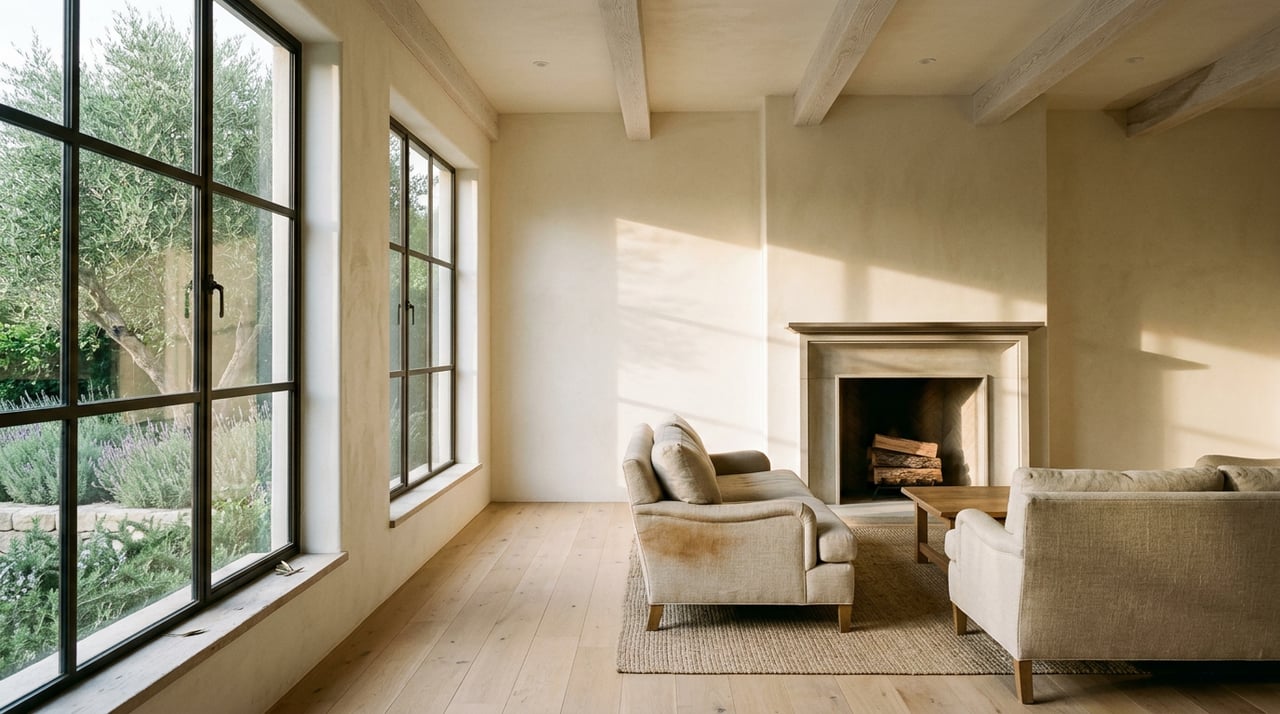
The Lafayette Art & Wine Festival Returns to a Downtown That Wasn't Here Last September
September 10, 2026
September 10, 2026
Logan Jager spent more than fifteen years working toward a taproom that didn't exist yet. He quit a finance career, earned a brewing degree from UC Davis, and spent years circling the right location before he found it: 3660 Mt. Diablo Boulevard, ground floor of a three-story building called The Brant that Lafayette residents had watched sit under construction for most of a decade. Western Flyer Brewing opened there in the third week of March 2026, and by the time the Lafayette Art & Wine Festival returns on September 19 and 20, it will be the closest thing downtown has to an established neighbor. It has been open for six months.
That is the part of this year's festival that a returning attendee will notice before they notice anything else. The festival itself has not changed shape. It is still the same two-day walk along Mt. Diablo Boulevard, Lafayette Circle, and La Fiesta Lane it has been for its entire run, now in its 29th year. What has changed is what sits along that walk. Downtown Lafayette added a cluster of new restaurants and bars in the first half of 2026, dense enough and fast enough that the festival route this year passes through a version of downtown that simply did not exist the last time the booths went up.
Start with Western Flyer, since it anchors one end of the change. The space runs 4,100 square feet with an 1,800-square-foot patio, designed by Costa Mesa architect Erin Morris and built by Walnut Creek's Terra Nova Industries. Inside, a waist-high glass barrier separates the dining room from the ten-barrel brewing system, so anyone sitting at a table can watch beer get made a few feet away. Jager could have opened somewhere with more available storefronts, in Walnut Creek or Concord by his own account. He chose Lafayette instead, explaining that he and his family already lived there and "wanted to have a bigger impact on our community."
A few blocks away on Mt. Diablo Boulevard, Tropa opened as a modern Filipino restaurant under Chef JB, running dinner service Wednesday through Saturday with a Sunday brunch. It is the kind of concept that would blend into a commercial strip in Oakland or Berkeley without much comment. On this stretch of downtown Lafayette, it is the first of its kind.
And on Moraga Road, steps from the longtime neighborhood spot Sideboard, a French bakery called Brioche de Paris opened in the space that used to belong to Hollie's Homegrown. Early customers spotted it open on New Year's Day. It brought a skylight, a coffee bar, and a wide bread and pastry case to a corner that already had one of the stronger morning lineups in the East Bay suburbs. Hollie's Homegrown didn't disappear. It is set to reopen later this year inside The Brant, the same building that now holds Western Flyer's taproom. One business moved out so a bakery could move in, then lined up to move into the building next to the town's newest brewery.
None of this happened because a landlord had empty storefronts to fill. It happened because three separate operators looked at other markets and picked Lafayette anyway.
Here is the detail that makes this year's festival different from a simple ribbon-cutting story: these places were not new to Lafayette by the time September rolled around. They were already tested.
The Lafayette Chamber of Commerce runs an earlier event called the Taste of Lafayette Restaurant Stroll every May, and this year's edition sold out before it happened. The Chamber's own participant list marked seven names as new for 2026:
By the time the stroll happened on May 19, these were not unknowns asking for a first look. They were new enough to be flagged with a star on the Chamber's map, and popular enough that the ticketed portion of the event sold out anyway. Non-ticket holders still got free music at Lafayette Plaza and access to the Plaza Bar, which tells you something about how the Chamber expected the crowd to split: some people already knew where they wanted to eat.
Deer Hill Vineyards is worth pulling out on its own, because it is the quietest addition to this list and the one least likely to show up in a festival preview. It is a small, family-owned vineyard on Lois Lane with a tasting room open by appointment, run by owner-operator Bill Scanlin, whose wines have picked up awards in the San Francisco Chronicle wine competition. It is not a storefront on Mt. Diablo Boulevard. It is a backyard operation that decided this was the year to show up at the town's biggest food event, which says something about how far the current wave of new participants reaches beyond the obvious downtown corridor.
By the time festival weekend arrives, four months will have passed since that May stroll. Four months is enough time for a new restaurant to become a regular Tuesday dinner, not a novelty. That is the shift this year's festival walks through: a downtown where the newest names aren't new anymore.
The mechanics of the festival haven't moved much from prior years, and that consistency is part of the appeal.
Wine and beer pours require the current year's festival glass and tickets, sold only at on-site booths, and pouring cuts off at 6:30 p.m. Saturday and 5:30 p.m. Sunday. Organizers reported more than 65,000 attendees last year, which puts this year's edition in the same range as the largest single weekend anywhere in Contra Costa County.
Downtown corridors don't usually turn over this much in six months. A brewery that took fifteen years to open, a Filipino restaurant that picked this specific block over Oakland or Berkeley, a French bakery that displaced and then reabsorbed a longtime neighbor into the same new building, and a small vineyard off Lois Lane deciding this was the year to join the Chamber's biggest food event. All of it landed before the festival's 29th year, and all of it will still be standing when the booths come down on the 20th.
The Art & Wine Festival has run since 1996 with roughly the same format every year: art booths, four stages, a Premier Pavilion, and a downtown packed shoulder to shoulder for a weekend. What makes this particular year worth paying attention to isn't the format. It's the fact that the businesses lining that same familiar route are the newest they've been in years, and by the time the crowds arrive, several of them will already feel like they've been there for a while.
If you already live in Lafayette, you'll notice the difference on the walk between stages. If you're paying attention to what's happening in this town for other reasons, it's worth noticing too. Michael Forkas keeps an eye on what's changing in Lafayette and the rest of the Lamorinda area, on the ground and block by block. Let's Connect.
Stay up to date on the latest real estate trends.
Partner with an experienced developer and advisor for your next real estate move.
MICHAEL FORKAS | CA DRE# 01730105
ADDRESS WALNUT CREEK CA 94595