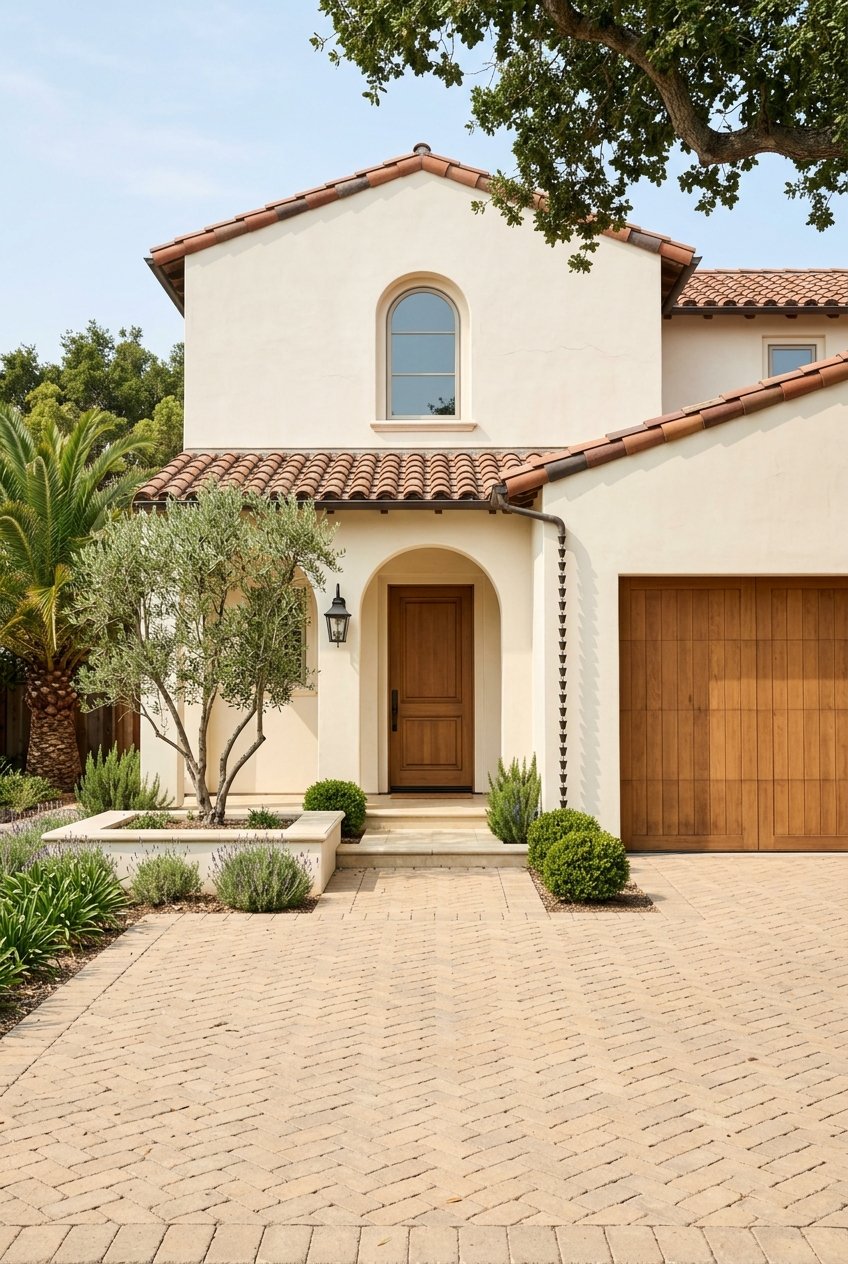
Orinda, Lafayette, or Walnut Creek: Which Community Fits?
May 21, 2026
May 21, 2026
If you are trying to choose between Orinda and nearby towns, you are not just comparing home prices. You are really deciding how you want daily life to feel, how much housing variety you want, and how closely you want to live to transit, downtown activity, and open space. This guide will help you compare Orinda, Lafayette, and Walnut Creek in a practical way so you can narrow in on the right fit with more confidence. Let’s dive in.
Orinda, Lafayette, and Walnut Creek all sit in the same East Bay orbit, but they do not live the same way day to day. Each community offers a different balance of neighborhood setting, downtown energy, and transportation access.
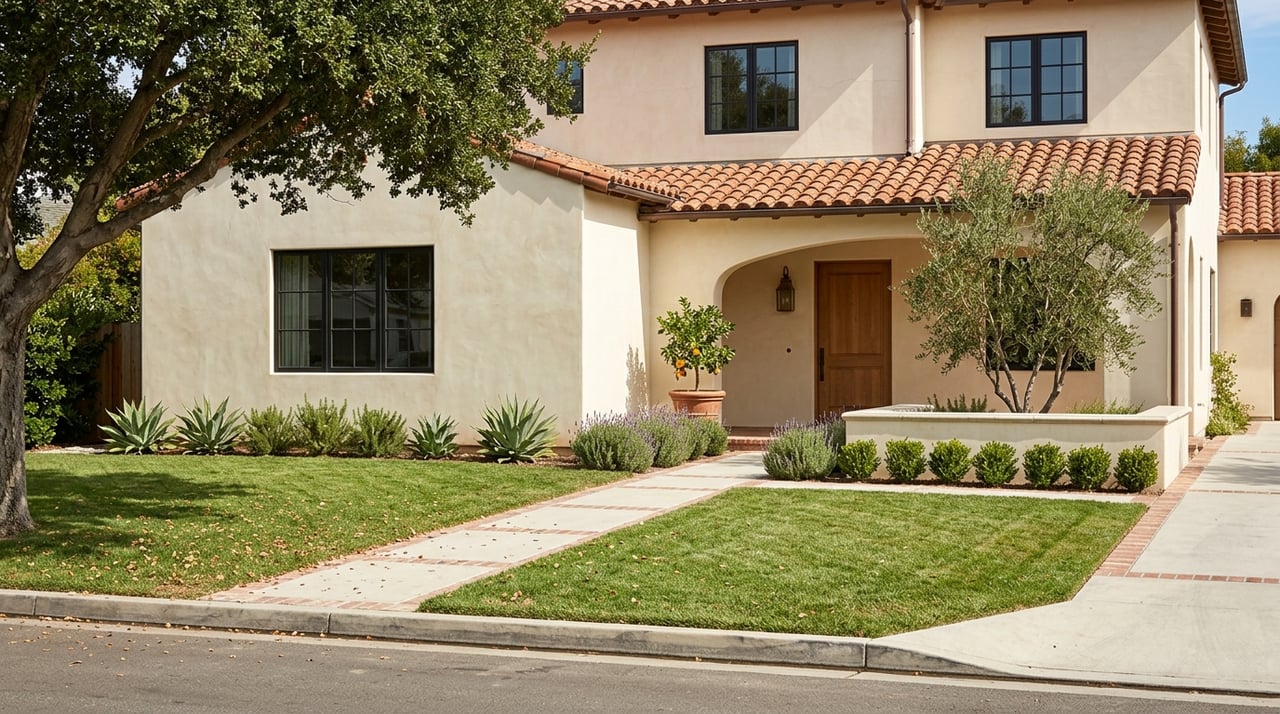
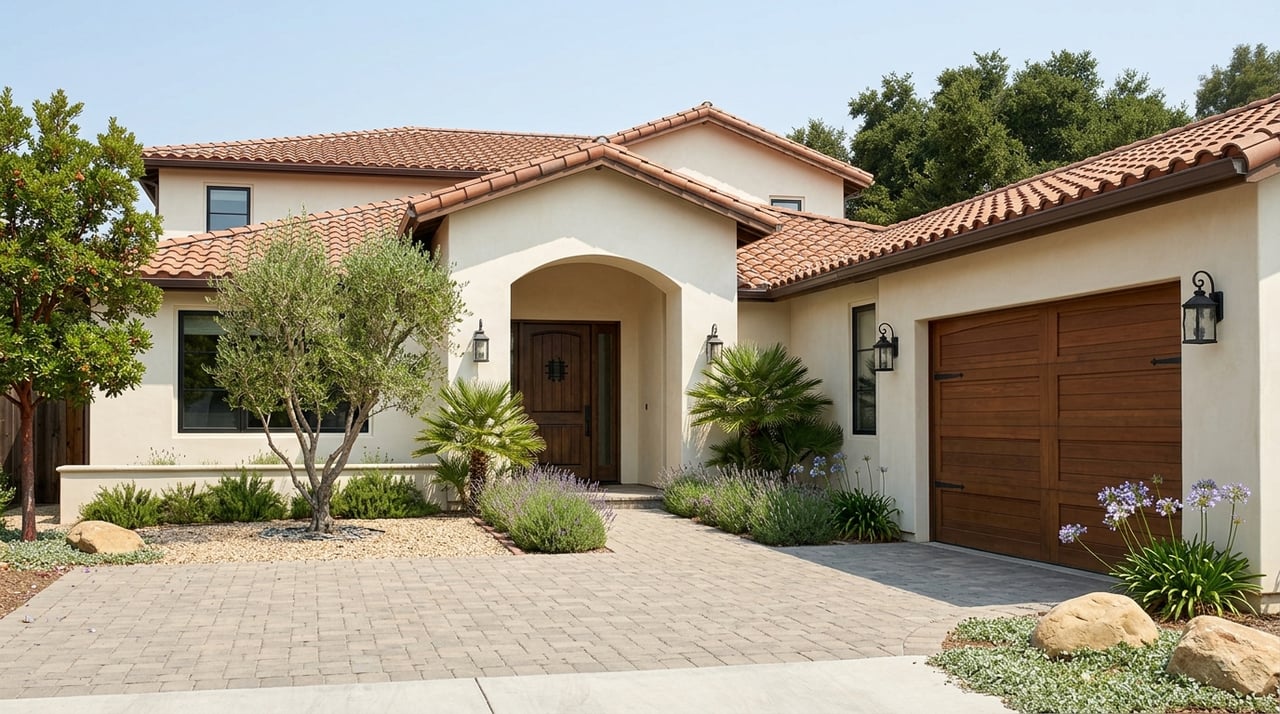
Orinda is known for a semi-rural, tree-studded setting with a compact downtown split by Highway 24. The city is nearly built out and remains mostly low-density and residential in character. If you picture larger detached homes and a quieter feel, Orinda often stands out first.
Lafayette shares a similar hillside and semi-rural setting, but it presents a slightly more town-centered feel. City materials describe oak-studded hills, creeks, trails, and a vibrant downtown. If you want a community that feels outdoors-oriented while still offering a stronger downtown presence, Lafayette may feel like a natural middle ground.
Walnut Creek is the most urban of the three. The city identifies itself as a regional hub for shopping, entertainment, recreation, and medical services, with a larger downtown core and broader transit options. If you want the widest mix of amenities and a more active central area, Walnut Creek usually enters the conversation quickly.
One of the biggest differences between these towns is the type of housing you are most likely to find. That matters because housing mix often shapes both your options and your budget.
Orinda is the most detached-home-heavy market in this comparison. City housing data shows about 92.8% of units are single-family detached, while only 4.7% are multifamily. In practical terms, that means your search will lean heavily toward standalone homes, often on hillside or semi-rural lots.
Multifamily housing in Orinda is mostly concentrated near downtown and the BART area. If you want a condo or apartment-style option, your choices may be more limited than in nearby towns. For buyers who value privacy, lot size, and a more traditional detached-home setting, that can be a plus.
Lafayette is also primarily a single-family market, but it offers a bit more range near downtown. City materials say single-family homes make up 82% of the housing stock, and more than 1,700 multifamily homes are located in and around downtown.
That makes Lafayette somewhat more flexible if you want the semi-rural ambiance but also want to keep condos, townhome-style living, or multifamily options on your radar. It still feels strongly residential, but the downtown area adds a little more variety.
Walnut Creek has the broadest housing mix by far. According to the city’s housing element, about 37% of units are single-family detached, 15% are single-family attached or townhomes, and 48% are multifamily condos or apartments.
That diversity creates a wider range of entry points and living styles. If you are deciding between a condo close to downtown, a townhome near transit, or a detached home in a more residential pocket, Walnut Creek usually gives you the most options in one city.
Your home search should match how you actually move through the week. Even if these towns look close on a map, their transportation setups feel different in daily life.
Orinda sits east of the Caldecott Tunnel along Highway 24. City planning documents reference bicycle and pedestrian links between the SR-24 off-ramp and the Orinda BART station, which reinforces how central that Highway 24 and BART connection is to the town.
If your routine depends on direct access to that corridor and you prefer a quieter residential setting, Orinda offers a clear lane. It tends to appeal to buyers who want strong corridor access without giving up the feel of a lower-density community.
Lafayette also has its own BART station and strong Highway 24 orientation. City materials describe BART service to San Francisco at roughly 25 minutes, and the city is improving the Aqueduct Pathway corridor to better connect downtown, BART, and State Route 24.
That combination can be appealing if you want transit access plus a downtown area and trail network that feel well connected. Lafayette can strike a nice balance between convenience and a more relaxed physical setting.
Walnut Creek offers the most transit redundancy. It has two BART stations, County Connection buses, and a free Downtown Trolley that links Walnut Creek BART with downtown destinations. The Walnut Creek BART station is also adjacent to Interstate 680.
If flexibility matters to you, Walnut Creek has the strongest transportation bench. For buyers who want several commuting or car-light options, that extra infrastructure can be a major deciding factor.
Price should never be the only factor, but it does shape what is realistic in each market. The current snapshot in the research shows clear separation between these three cities.
Orinda’s median sale price is about $2.265 million. Lafayette is slightly higher in this snapshot at about $2.5375 million. Walnut Creek comes in much lower at about $845,000, which likely reflects its much larger share of condos, apartments, and townhomes.
Recent sales in the same research also show the spread in practical terms. Orinda closings were roughly $1.35 million to $3.475 million, Lafayette roughly $1.2 million to $4.295 million, and Walnut Creek roughly $629,000 to $1.75 million in the current feed.
All three markets are active. Homes in Orinda were selling in about 11 days, Lafayette in about 14 to 17 days, and Walnut Creek in about 12 days. That tells you buyers are moving quickly across the board, even though the product mix and pricing look very different.
When buyers get stuck, it is often because they are comparing cities before they define priorities. A better approach is to decide what matters most to you, then see which town supports that best.
Orinda tends to fit buyers who want the quietest and most residential setting of the three. It has a strong detached-home bias, a semi-rural feel, and direct Highway 24 and BART orientation.
If your ideal home search centers on larger standalone homes and a lower-density environment, Orinda may feel the most aligned. It is often less about having the most choices and more about getting a specific kind of setting.
Lafayette tends to fit buyers who want access to the same corridor but with a slightly more town-centered feel. It also stands out for trails, creeks, and open-space access.
If you want a community that combines a residential atmosphere with a bit more visible downtown activity and housing variation, Lafayette can offer that middle lane. It often works well for buyers who do not want to choose between neighborhood calm and convenience.
Walnut Creek tends to fit buyers who want the widest amenity set, the strongest transit redundancy, and the broadest range of housing options. It is the easiest of the three to approach with multiple budget levels and living styles in mind.
If you want to compare condos, townhomes, and detached homes while staying close to a larger downtown core, Walnut Creek is usually the most flexible option. That can be especially helpful if your needs may change over time.
If you are serious about narrowing your choice, it helps to rank your needs before you tour too many homes. A simple framework can keep you from chasing listings that look appealing online but do not match your daily life.
Ask yourself:
Once you answer those questions, the shortlist usually gets clearer. In this part of the East Bay, the right town is often the one that best matches your routine, your housing goals, and the kind of environment you want to come home to every day.
For buyers who also care about renovation potential, long-term value, or how a property may perform after thoughtful updates, it helps to evaluate more than location alone. In markets like Orinda, Lafayette, and Walnut Creek, the smartest choice is often the one that fits both your lifestyle now and your property strategy over time.
If you want help comparing neighborhoods, housing types, or value-add opportunities across the East Bay, Michael Forkas can help you make a clear, informed move.
Stay up to date on the latest real estate trends.
Partner with an experienced developer and advisor for your next real estate move.
MICHAEL FORKAS | CA DRE# 01730105
ADDRESS WALNUT CREEK CA 94595