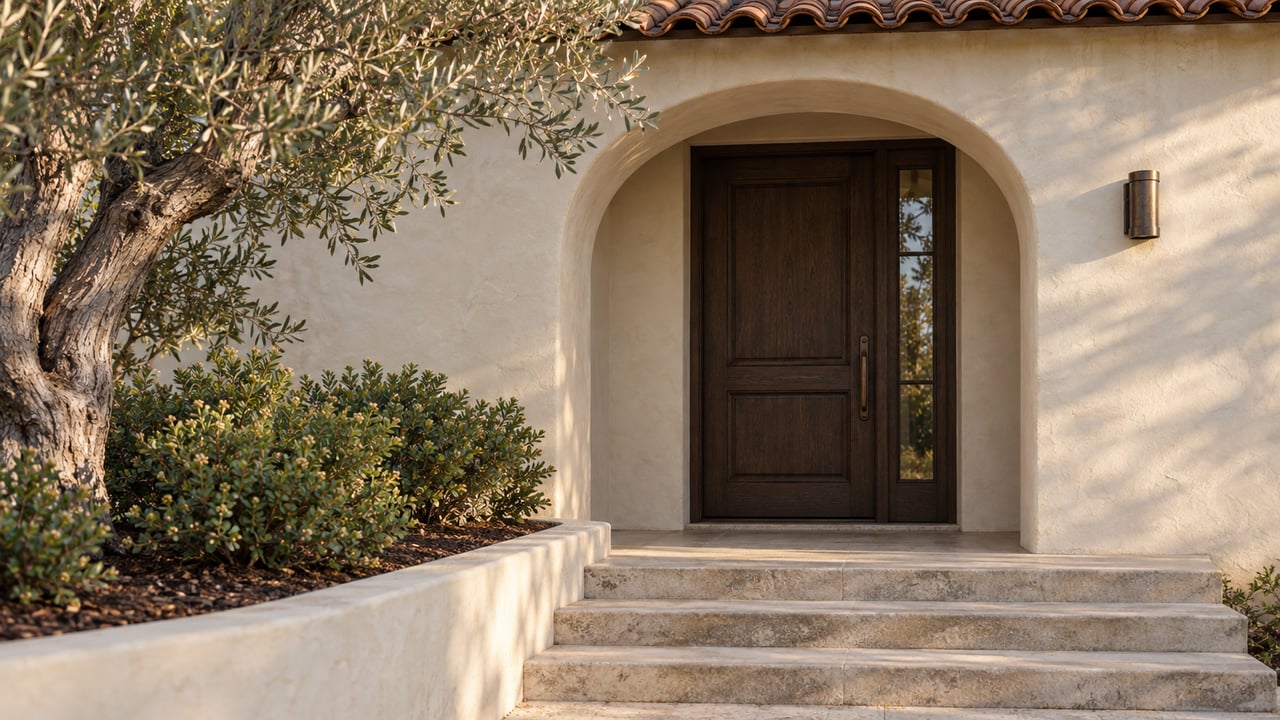
San Ramon's Median Price Is Falling. Gale Ranch Isn't.
October 1, 2026
October 1, 2026
Three office buildings at 3000, 4000, and 5000 Executive Parkway are scheduled to come down, with demolition expected to begin in mid-to-late 2027. They sit on the BR8 site inside Bishop Ranch, San Ramon's 585-acre business park, and in their place Lennar is building 255 single-family homes called Canopy. A few hundred yards away, Trumark Homes broke ground on September 1 on The Trails at Bishop Ranch, 67 houses and 128 townhomes going up where office space used to be. Down Bollinger Canyon Road, the former Chevron Park site is entitled for nearly 3,000 housing units over the next two decades under a project called Orchards.
None of this shows up when someone searches "San Ramon home prices" and finds a headline number that the city's median is down for the year. That number is true. It is also incomplete in a way that matters if you're trying to figure out what your own house, or the house you're eyeing in Gale Ranch, is actually worth right now.
Pull San Ramon's market data from a few different trackers and you'll get answers that don't quite agree. As of January 2026, one report put the citywide median sale price at $1.3 million, down slightly year over year, with homes taking 54 days to sell. Over the three months ending June 2026, another tracker showed a median of $1.6 million, up marginally from the year before, with a price per square foot of $741. By September 2026, a third source had the list-price median at $1.34 million and price per square foot down 2 percent from a year earlier.
These aren't errors. They're measuring different windows, different mixes of condos versus houses, and different points in a market that's moving in more than one direction at once. The clearest single signal came from a market breakdown published in April 2026: the citywide median had compressed to $1.3 million, down 13.4 percent year over year, while days on market had dropped to just 9, the fastest pace in three years. Prices cooling and speed accelerating at the same time is not the pattern you'd expect from a market that's simply softening. It's the pattern you get when the mix of what's selling changes underneath the number.
San Ramon's housing stock isn't one product. It's at least three, and they're behaving differently.
| Segment | What's there | Recent price signal |
|---|---|---|
| Gale Ranch and Windemere | Master-planned luxury enclaves built in the 1980s and after, gated sections, resort-style amenities | Holding above $2 million, down only modestly year over year |
| Broader Dougherty Valley corridor | Newer subdivisions built around Bollinger Canyon Road and Dougherty Road, schools and trails integrated into the plan | Softer pullback, still commanding upper-tier San Ramon pricing |
| Legacy west-side neighborhoods | Older tracts like Twin Creeks, Alcosta Heights, and Montevideo, more mature landscaping, closer to I-680 | Sharpest and most volatile swings in the reported median |
Gale Ranch's resilience isn't a coincidence. It's a small, fixed supply of large lots with views and gates, and there's no new inventory coming to compete with it. The legacy west-side tracts are a different story: smaller sample sizes mean a handful of closings can swing a monthly median hard in either direction, and that volatility gets flattened into a single citywide figure that hides which direction any specific street is actually moving.
The reason the citywide blend keeps shifting has less to do with buyer demand cooling and more to do with what's entering the sales mix. Bishop Ranch was, for decades, five million square feet of office space and a million square feet of retail and restaurants. Sunset Development, the company that owns and runs it, is now converting parts of it into what's planned to be roughly 8,000 homes across several neighborhoods.
Canopy will bring 255 detached houses to the BR8 site once demolition clears the existing office buildings, expected to start in mid-to-late 2027. The Trails at Bishop Ranch, Trumark's project near the Iron Horse Regional Trail, is already under construction after its September groundbreaking. City Village, built by Summerhill Homes, adds 404 residences within walking distance of City Center's restaurants and shops. Orchards cleared its biggest hurdle earlier this year when the city council rejected an appeal and upheld the project's approval, and it would eventually replace the former Chevron Park site with close to 3,000 units over the next two decades.
As Patch reported, Sunset Development's president and CEO Alex Mehran Jr. described the intent behind Canopy this way: it's meant to advance "the best suburban downtown in America" by getting the residential piece right, with homes built into a neighborhood that's already steps from parks and trails.
What that means for anyone tracking prices is straightforward once you see it. New attached product, smaller footprints, different price points, is entering the sales data inside a city where the existing comps were built on a different foundation. A three-story rowhome at City Village and a four-bedroom resale house in Twin Creeks are not the same asset, but they can both get counted in the same monthly median. When enough of one type closes in a given month, the blended number moves even though no individual seller's house lost value.
If you're pricing a sale or sizing up an offer, the citywide median is close to useless on its own. The more useful question is which of San Ramon's segments your comp actually belongs to.
A resale house in an established neighborhood should be compared against other resale houses of similar age and lot size, not against a new-construction townhome that happens to have closed the same month. A unit in Gale Ranch or Windemere should be read against that submarket's own inventory, since its scarcity and amenity package put it on a different track than the rest of the city. And if you're looking at the entry-level end, condo communities like Reflections, a 1980s complex with one- and two-bedroom units, still offer a way into San Ramon under $700,000. Recent sales there ranged from $350,000 to $645,000, with monthly HOA dues typically in the $400s to $500s and a sale-to-list ratio close to 100 percent, meaning pricing accuracy still matters even at that price point.
The days-on-market figure deserves the same segment-by-segment treatment. Reports have put the citywide average anywhere from 9 days in early 2026 to 16 days over the three months ending June 2026, but neither number tells you whether a specific listing in Central San Ramon, where homes over that same three-month window averaged 20 days, up from 14 a year earlier, is moving fast or slow relative to its own peer group. Ask for the comps within your segment, not the city's blended average, before you set expectations either way.
Does a falling citywide median mean San Ramon homes are getting cheaper across the board? Not evenly. The compression shows up hardest in the segments with the most transaction volume and the most new product entering the mix. Gale Ranch and Windemere have shown only modest year-over-year softening because there's essentially no new supply competing with them. A citywide median blends all of that together, which is why the same month can show a falling median and a stable or even rising price per square foot in a specific pocket like Central San Ramon.
What happens to the office buildings coming down at Bishop Ranch? The three buildings at 3000, 4000, and 5000 Executive Parkway, known collectively as BR8, are slated for demolition to make way for Canopy. Sunset Development has said construction is expected to begin in mid-to-late 2027, with Lennar building the 255 homes across 25 of the site's 27 acres. The remaining two acres are designated for future affordable multifamily housing.
Should I wait for one of the new Bishop Ranch communities instead of buying resale now? That depends on what you're solving for. New construction at Bishop Ranch is being built around parks, trails, and proximity to City Center, and builder incentives can sometimes narrow the price gap with resale. But timelines for projects like Orchards run in phases over years, and a resale house in an established neighborhood comes with a track record of comps that new construction doesn't have yet. The right answer depends on your own comparison, not the citywide average.
If you're trying to figure out where your San Ramon comp actually sits, whether that's a resale house near Twin Creeks, a unit in Gale Ranch, or a new listing near Bishop Ranch's next phase, Michael Forkas can walk through the segment-specific numbers with you before you price a sale or write an offer.
Stay up to date on the latest real estate trends.
Partner with an experienced developer and advisor for your next real estate move.
MICHAEL FORKAS | CA DRE# 01730105
ADDRESS WALNUT CREEK CA 94595