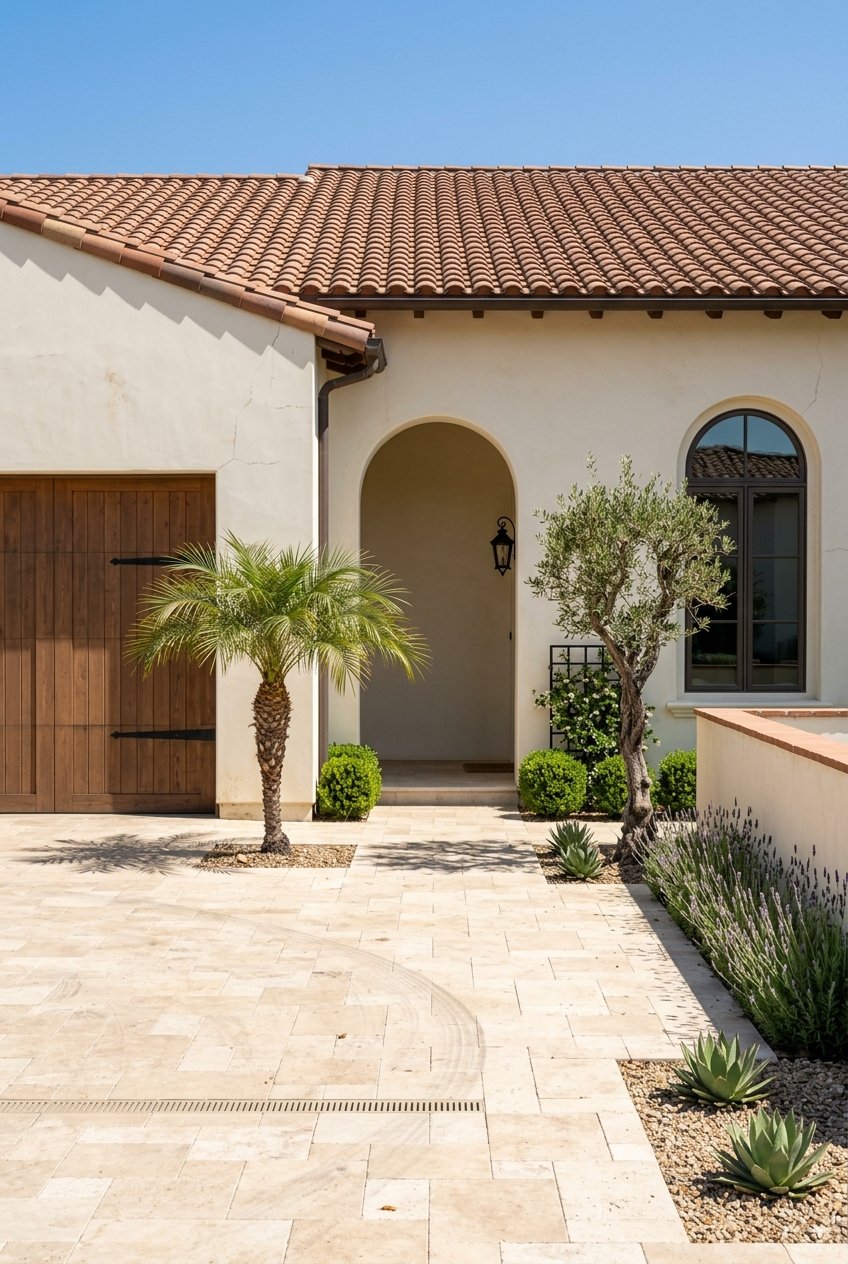
Defining The Ideal Move-Up Home In Danville
May 7, 2026
May 7, 2026
You can outgrow a home long before you outgrow Danville. If your current house no longer fits the way you live, you are not alone, especially in a market where buyers are often trying to balance space, layout, lot size, and long-term value all at once. The good news is that defining your ideal move-up home gets much easier when you know which features matter most in Danville and which ones are easier to compromise on. Let’s dive in.
In Danville, a move-up home usually is not about switching into a totally different housing type. The town’s housing stock is still dominated by detached single-family homes, which made up 75.7% of homes in 2020, according to Danville’s Housing Element. That means many move-up buyers are looking for a better version of what they already have, not a dramatic lifestyle reset.
For you, that often means more usable space instead of just more square footage. The real upgrade may be an extra bedroom, a more flexible layout, better indoor-outdoor flow, or added garage and storage space. In a town where households average 2.77 people and 9.2% of households have five or more people, function tends to matter just as much as size.
Danville is a premium market, and homes move quickly. Redfin reported a March 2026 median sale price of $1.892 million, a median of 14 days on market, and an average of two offers per home. Zillow reported an average home value of $1,908,521, with homes going pending in about 13 days as of March 31, 2026.
In a fast-moving market like this, it is easy to chase every appealing feature. But the smartest move-up buyers usually get clear on what improves daily life and what protects resale appeal. A home that works well for your household today and still feels broadly useful later often creates the best long-term value.
A larger home is not always the better move-up choice. In Danville, the right layout can be more valuable than simply adding square footage, especially if you want a home that can adapt over time. Features like a main-level bedroom, office, bonus room, guest suite, or a floor plan that supports aging in place tend to stay useful through different life stages.
That matters in a market where home prices rose 73.6% from 2010 to 2020, according to the town’s Housing Element. When prices are this high, you want every square foot to work hard for you. A home with a smarter layout may serve you better than a bigger home with awkward room placement or wasted space.
When you define your move-up wish list, focus first on features that are hard to change later:
Cosmetic updates are usually easier to handle later than a poor layout. That is one reason an older home with strong bones can sometimes be the smarter move-up choice.
Lot size is one of the biggest move-up questions in Danville, but there is no single answer. In some areas, a larger lot may mean more privacy, room to garden, added outdoor living, or space to spread out. In other parts of town, a smaller lot with a better location may feel like the stronger overall fit.
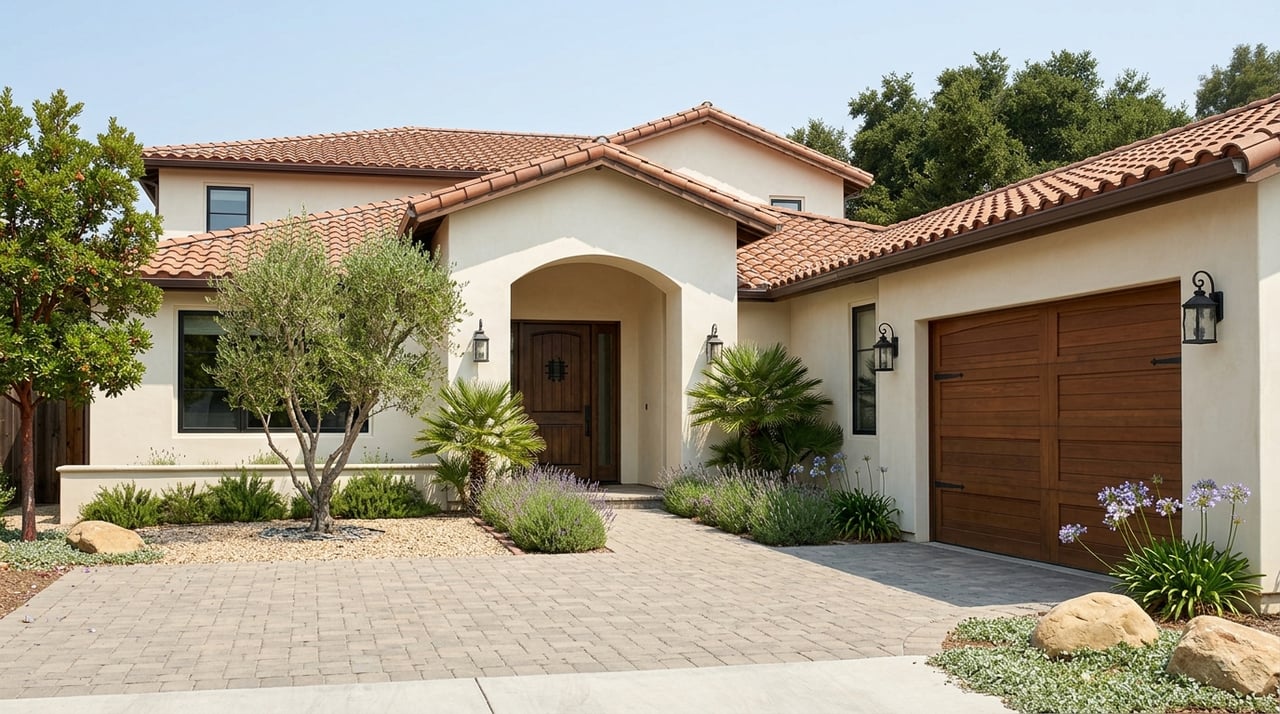
Danville’s planning history helps explain why. The town includes everything from older ranch properties and modest ranchettes to 1970s and 1980s homes and newer custom estate homes. Some lots are under one-quarter acre, while others exceed one acre, especially in semi-rural settings.
Instead of asking what lot size is objectively best, ask what kind of outdoor function you want. Your answer will shape what feels like a true move-up.
A larger lot may make sense if you want:
A smaller lot in a stronger location may make more sense if you want:
The key is to match the lot to your lifestyle, not just the listing photos.
In Danville, location is not only about commute patterns or street appeal. It is also about access to the amenities that shape daily life. Historic downtown Danville includes shops, restaurants, art galleries, the Danville Community Center and Library, and the one-acre Town Green, along with recurring community events such as farmers’ markets, street fairs, and holiday celebrations.
The town also maintains more than 167 acres of parkland, much of it focused on active recreation. For many buyers, this makes proximity to downtown a real lifestyle feature, not just a convenience.
Danville’s access to trails and open space is one of its strongest long-term draws. The Iron Horse Regional Trail runs through downtown and connects residential and commercial areas, schools, public transit, parks, and community facilities. Danville also borders East Bay Regional Park District lands including Las Trampas Regional Wilderness, Sycamore Valley Open Space Preserve, and Sherburne Hills Open Space Preserve, and Mount Diablo State Park is located off Highway 680 near town.
That means you may be weighing two different kinds of value. One home may offer a larger yard, while another may offer easier access to trails, parks, and downtown amenities. In many cases, both can be appealing, but you should be honest about which benefit you will actually use more often.
This is one of the most common move-up questions in Danville because the housing stock spans many decades and styles. You will find ranch-style homes, older ranchettes, freeway-era subdivision homes, and newer custom properties. The right answer depends less on age alone and more on how condition, layout, lot, and location work together.
An older home can be a smart move-up choice if it offers a strong floor plan, a better lot, or a more desirable setting near trails or downtown. It may also offer improvement potential over time, which can matter if you want to personalize the space later. Given Michael Forkas’s background in redevelopment, renovation, and project-minded advising, this is often where a more strategic property review can help you see value that is easy to miss at first glance.
A newer but smaller home may still be the better fit if you want more turnkey condition, lower immediate maintenance, or a layout that feels cleaner and more current. The goal is not to choose “newer” or “older” in the abstract. The goal is to choose the home that best balances livability today with flexibility for the future.
In a high-price market, every feature has a cost. That is why it helps to separate items that are truly hard to replace from those you can improve later with time and money.
The most durable move-up features in Danville are often:
These features tend to be harder to manufacture after you buy. Paint colors, fixtures, and some finish updates are far easier to change than lot size, location, or a fundamentally awkward layout.
Because Danville is both expensive and competitive, your ideal home should be defined in layers. If you treat every preference as non-negotiable, you may miss strong opportunities. If you compromise on the wrong things, you may end up moving again sooner than you planned.
Your must-haves should be the features that directly affect how you live every day. Keep this list short and practical.
Examples might include:
These are the features that are nice to have but may be negotiable if the home is strong in more important areas.
Examples might include:
This kind of ranking helps you act decisively when the right home appears. In a market where homes can go pending in about two weeks, clarity is a competitive advantage.
The best move-up home in Danville is rarely just the biggest one you can buy. It is the one that gives you better day-to-day function, supports the way your household may change, and checks the boxes that are hardest to recreate later. In Danville, that often means prioritizing layout, useful outdoor space, storage, and a location that connects you to the amenities you will actually use.
If you are weighing tradeoffs between lot size, condition, layout, and location, a strategic review can make the decision much clearer. With his blend of local market knowledge, renovation literacy, and hands-on advisory approach, Michael Forkas can help you define what a true move-up looks like for your goals.
Stay up to date on the latest real estate trends.

Partner with an experienced developer and advisor for your next real estate move.
MICHAEL FORKAS | CA DRE# 01730105
ADDRESS WALNUT CREEK CA 94595