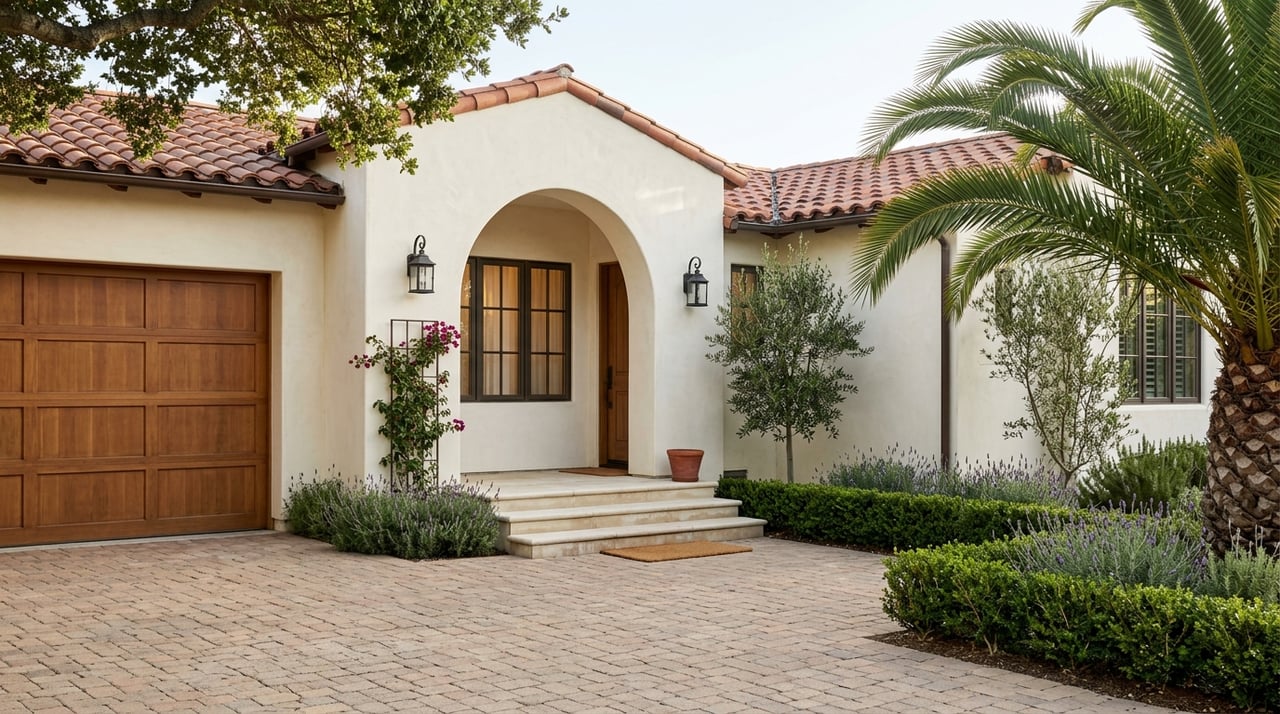
Preparing An Older Lafayette Home For Today’s Buyers
April 9, 2026
April 9, 2026
Wondering whether you need a full remodel before listing an older Lafayette home? In most cases, you do not. What today’s buyers often want most is a home that feels well cared for, presents cleanly, and comes with fewer unanswered questions. If you focus on the right updates in the right order, you can improve buyer confidence without overspending. Let’s dive in.
Lafayette is a high-value, largely owner-occupied market with an older housing stock. According to the U.S. Census Bureau’s Lafayette QuickFacts, the city has a 77.3% owner-occupied housing rate and owner-occupied home values above $2,000,000. City housing information also notes that single-family homes make up 82% of Lafayette’s housing stock.
That matters because many buyers in Lafayette are comparing older detached homes on more than square footage alone. Condition, upkeep, and documentation can strongly shape how they view value. In a market like this, visible maintenance issues can raise concerns fast.
If your home is older, first impressions carry extra weight. Buyers often make early assumptions about how a home has been maintained based on the roofline, exterior paint, entry, landscaping, and flooring. Small visual cues can create either confidence or doubt before they ever read the disclosure packet.
The strongest pre-listing investments are often simple, visible, and practical. In the 2025 Remodeling Impact Report from NAR and NARI, Realtors most often recommended painting the entire home, painting a single interior room, and installing new roofing before listing.
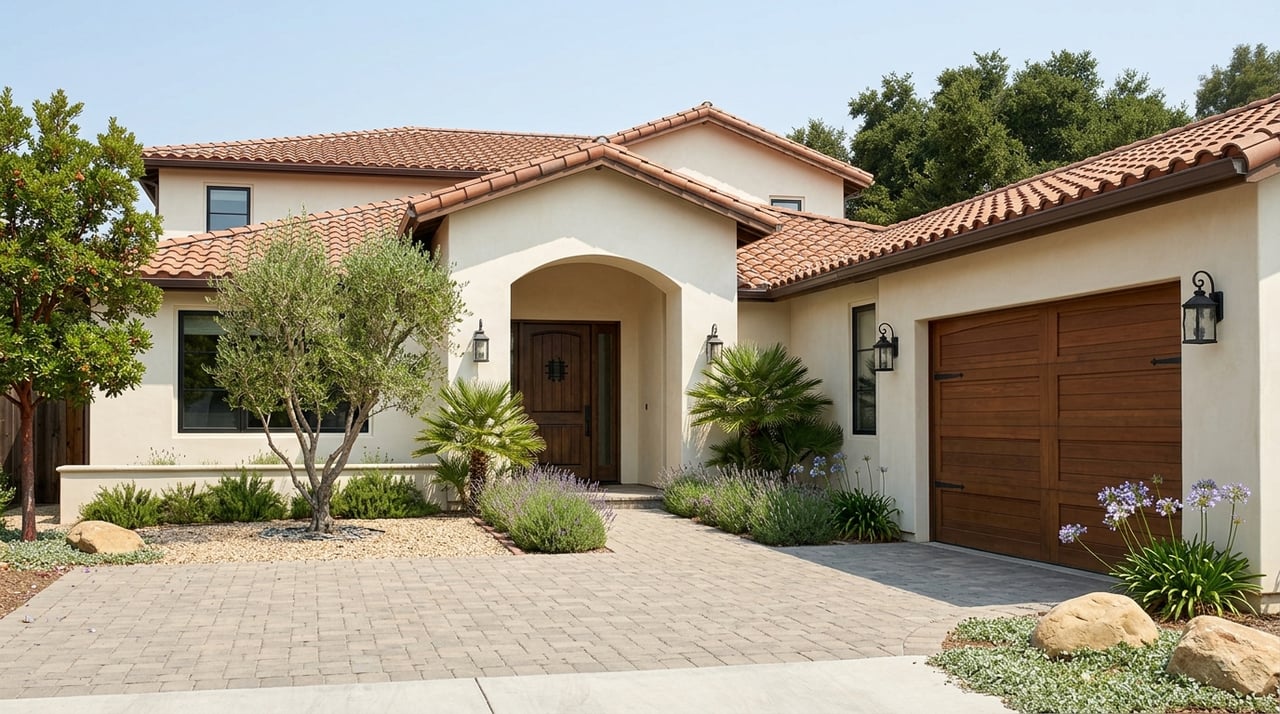
For many older Lafayette homes, the exterior should be the first checkpoint. Roof wear, aging trim, cracked surfaces, and neglected landscaping can suggest bigger deferred maintenance issues, even when the interior is attractive.
Roofing also stands out from a resale standpoint. NAR guidance cited in the same remodeling report shows roofing among the stronger performers for cost recovery, along with garage door replacement and insulation upgrades. If your roof or exterior shows wear, handling that before listing may do more for buyer confidence than a trendy interior change.
Your front entry sets the tone. A clean walkway, trimmed landscaping, updated lighting, and a strong-looking front door can make the home feel more current without a major renovation.
That same remodeling report found a new steel front door had 100% cost recovery, while a fiberglass front door recovered 80%. If your home has an older, tired entry sequence, this can be one of the simplest ways to improve both appearance and perceived value.
Inside the home, worn surfaces tend to stand out more than dated style. Buyers are often more forgiving of older finishes than they are of scuffed walls, stained carpet, or tired flooring. Clean, fresh, neutral presentation helps them picture the home more clearly.
NAR guidance included in the remodeling data found hardwood floor refinishing recovered 147% and new wood flooring recovered 118%. That makes flooring one of the more practical places to spend money before listing, especially in older homes where original floors may still be a strong asset.
A full kitchen or bath remodel is not always the best first move. If cabinets, counters, or tile are older but functional, your money may go further on paint, lighting, floor refinishing, and repairs buyers will notice immediately.
For many Lafayette sellers, the better order is simple:
That sequence aligns well with the current resale data and with the realities of Lafayette’s older single-family housing stock.
In Lafayette, outdoor condition is not just about aesthetics. The city’s current Fire Hazard Severity Zone map took effect on July 10, 2025, and the city says the map affects defensible-space standards and WUI building codes.
For sellers, that means buyers may pay close attention to roof condition, vents, vegetation, and exterior maintenance. Even if your landscaping looks attractive, overgrown vegetation or unclear defensible-space status may create avoidable questions during escrow.
The city states that sellers in High or Very High fire hazard zones need to provide defensible-space compliance documentation, or the buyer must agree to obtain it after closing. If your property falls in one of those zones, it is smart to check this early.
Getting ahead of this issue can help reduce back-and-forth later. It also shows buyers that you have approached the sale thoughtfully, which matters in a high-value market where buyers often scrutinize risk as much as appearance.
Older homes usually come with more questions, and in California, disclosure quality matters. Buyers will want to know not only what has been updated, but whether the work was permitted, documented, and completed properly.
California’s Real Estate Transfer Disclosure Statement guidance requires sellers of most one-to-four-unit homes to disclose material facts about systems, alterations, drainage, settling, zoning issues, and other known conditions affecting value or desirability. The seller’s agent and cooperating agent also have a duty to visually inspect accessible areas and disclose material facts.
If you added a room, moved walls, upgraded systems, or made structural repairs, gather the paperwork now. Missing permits or incomplete records can cause delays, price renegotiations, or buyer hesitation.
This is especially important for recent owners. The California Department of Real Estate says AB 968 requires sellers who obtained title within the previous 18 months to disclose certain contractor-performed additions, modifications, alterations, or repairs totaling $500 or more, along with contractor names and permit copies, for disclosures on or after July 1, 2024.
If your home was built before 1978, lead-based paint disclosure may apply. The EPA’s lead-based paint guidance says federal law requires disclosure of known lead-based paint hazards for pre-1978 housing and delivery of the EPA pamphlet.
The EPA also reports that 87% of homes built before 1940 and 24% of homes built between 1960 and 1978 have some lead-based paint. That does not mean every older home has a problem, but it does mean the paperwork should be handled carefully and early.
If your home was built before 1960, there are additional items to review. California’s Homeowner’s Guide to Earthquake Safety says sellers must properly strap the water heater and provide a Residential Earthquake Risk Disclosure Statement, a Natural Hazard Disclosure Statement, and a copy of the guide.
These items are easy to overlook until escrow is underway. Preparing them before you hit the market can help your sale feel more organized and less reactive.
One of the best ways to reduce surprises is to anticipate the questions buyers and inspectors are likely to ask. In older Lafayette homes, those questions often center on systems, permits, safety, and site conditions.
Common areas to review before listing include:
On sewer questions, Central San’s permit FAQs note that it does not have a point-of-sale sewer lateral inspection ordinance, but it does offer financing for lateral replacement. Even without a point-of-sale rule, having any available sewer records ready can still help answer buyer questions.
Staging works best when it finishes the story, not when it hides unfinished work. If the home still has repair issues, patchy paint, or deferred maintenance, staging will not solve the underlying concern.
According to the 2025 NAR staging report, 29% of agents saw a 1% to 10% increase in dollar value offered when a home was staged, and 49% saw faster sales. The most common seller recommendations were decluttering, cleaning the entire home, and improving curb appeal.
The same NAR report says buyers’ agents viewed the living room, primary bedroom, and kitchen as the most important rooms to stage. That is useful if you want to be selective with your prep budget.
You do not need to overdesign the house. In most cases, simple, clean, uncluttered rooms with good light and polished finishes will do more than personalized styling choices.
If you want the process to feel manageable, the order of operations matters. NAR guidance notes that finding the right service providers is one of the biggest remodeling challenges for homeowners, which is why organized planning is so important.
For most older Lafayette homes, the least stressful sequence is:
If your property has a larger lot, hillside conditions, or drainage issues, check permit requirements early. The City of Lafayette says a grading permit is required when more than 50 cubic yards of soil will be moved, and sewer-related exterior work may also require permits through Central San.
Today’s Lafayette buyers do not necessarily expect every older home to feel brand new. What they do want is a home that feels cared for, transparent, and easier to evaluate. When you handle visible maintenance, organize your disclosures, and present the home clearly, you reduce friction and help buyers focus on the property’s strengths.
That is where strategic guidance can make a real difference. If you are weighing which updates matter, how to sequence prep work, or whether to sell as-is versus invest before listing, Michael Forkas can help you build a plan that fits your home, timeline, and goals.
Stay up to date on the latest real estate trends.





Partner with an experienced developer and advisor for your next real estate move.

MICHAEL FORKAS | CA DRE# 01730105
ADDRESS WALNUT CREEK CA 94595