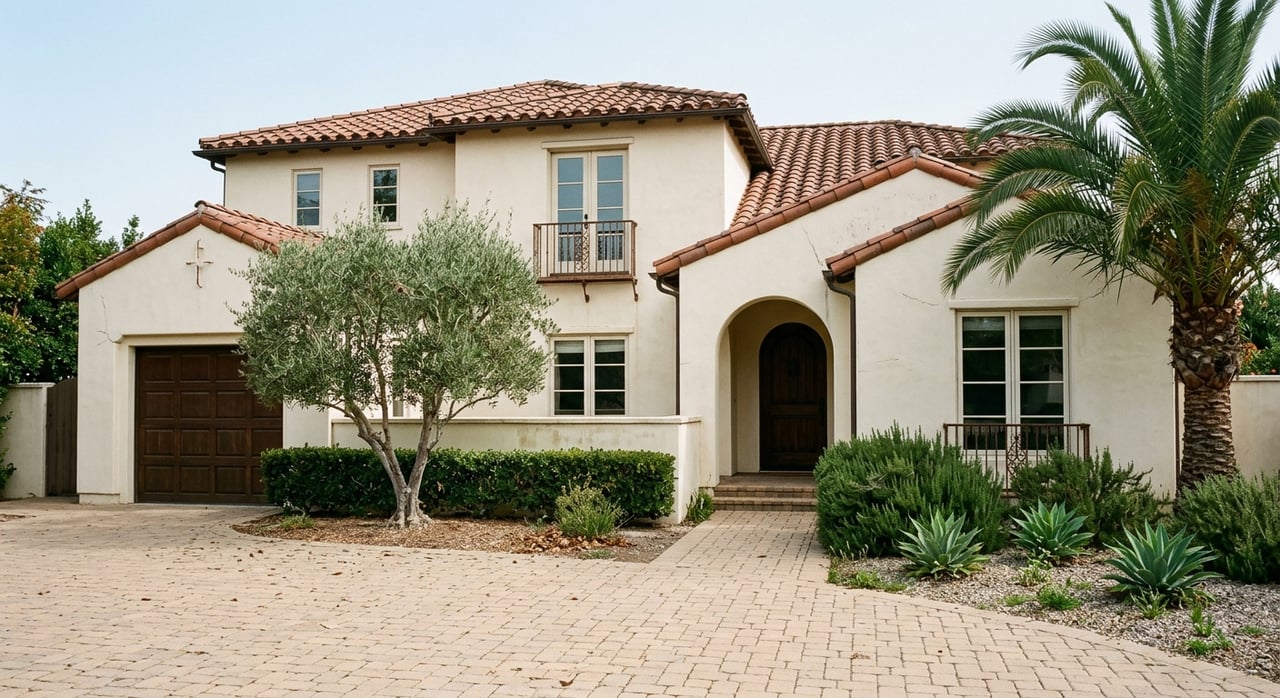
Smart Tips for Evaluating Livermore Fixer Upper Homes
April 2, 2026
April 2, 2026
Buying a fixer in Livermore can look like a smart way to create value, but the wrong house can turn into an expensive lesson fast. If you are trying to decide whether a property is a cosmetic project or a true money pit, you need more than a quick walk-through and a rough contractor guess. This guide will help you evaluate fixer homes in Livermore with a clearer eye, tighter numbers, and fewer surprises. Let’s dive in.
Livermore has a large share of older housing, which matters when you are evaluating renovation risk. According to the City of Livermore’s adopted housing element, 39% of occupied housing stock was built between 1960 and 1979, and 29% was built between 1980 and 1999. You can review that breakdown in the city housing analysis.
That age profile means many fixer homes are not just outdated in style. They may also come with aging roofs, older plumbing or electrical systems, worn HVAC equipment, and deferred maintenance that is not obvious at first glance.
Livermore is also a high-value market, which raises the stakes on renovation decisions. Census QuickFacts for Livermore shows a 72.0% owner-occupied housing rate and a median owner-occupied value of $1,105,600 for 2020 to 2024. In plain terms, most renovated homes are competing for owner-occupant buyers who care about condition, layout, and move-in readiness.
Before you focus on paint colors or floor plans, ask a simple question: what is the realistic outcome for this property? Are you buying it to live in and improve over time, or are you counting on a full renovation to support resale value later?
That question shapes everything from your budget to your tolerance for risk. A home that works for a long-term owner may not work as a short-term value-add project if the repair scope is too deep or the resale spread is too thin.
Recent market snapshots also show why disciplined pricing matters. Redfin’s Livermore market data reported a February 2026 median sale price of $1,182,500, 13 median days on market, and a 102.1% sale-to-list ratio, while another source from a different month showed softer timing and pricing signals. The takeaway is simple: use comps from the same source and timeframe when estimating after-repair value.
The biggest fixer-home mistakes usually come from underestimating hidden systems. Cosmetic updates can be planned and paced, but major structural or mechanical issues can change the deal overnight.
Pay closest attention to these items first:
These are the repairs that are expensive, disruptive, and hard to ignore once you own the home. They are also the kinds of projects that typically tie into Livermore’s building inspection and permit process.
A general home inspection is helpful, but it should not be your only due diligence step on a fixer. In many cases, the better move is to stack a few targeted inspections based on the home’s age and visible condition.
For Livermore fixer homes, two relatively modest pre-close inspections can provide useful clarity:
Those costs are small compared with the price of discovering a failed sewer line or significant foundation problem after closing.
If the home was built before 1978, lead-based paint needs to be part of your evaluation. The EPA says 24% of homes built from 1960 to 1978 have some lead-based paint, and federal disclosure rules apply to most pre-1978 housing. Learn more from the EPA’s lead-based paint guidance.
This matters because a project that looks cosmetic can become more complex once sanding, scraping, or demolition starts. If you plan to disturb old painted surfaces, factor that into both your timeline and your renovation budget.
Older homes may also contain asbestos in legacy materials. The EPA notes possible asbestos uses in floor tiles, insulation, shingles, and textured paint, and recommends testing suspect materials if they are damaged or if planned renovation would disturb them. You can review that guidance on the EPA’s asbestos risk information page.
In practical terms, textured ceilings, older flooring, and pipe-wrap insulation deserve extra caution before demolition begins. Testing first can help you avoid expensive change orders later.
One of the biggest fixer-home errors is assuming you can add, convert, or reconfigure a property just because there seems to be enough space. In Livermore, zoning and development standards control what is allowed on a specific parcel.
The city explains that zoning districts determine whether uses are permitted, prohibited, or conditional. Some projects may require a Conditional Use Permit or a Zoning Use Permit, and approval timelines can stretch several weeks once an application is complete. You can verify that through the city’s zoning and development code materials.
If your plan depends on an addition, garage conversion, or backyard structure, review the development standards for the property’s zone. The city’s planning FAQs note that standards vary by zone and may include lot area, setbacks, lot coverage, and height.
That means a promising concept on paper may not work in reality. Before you build your budget around extra square footage, verify the legal path first.
Livermore’s Permit Center handles permits online, and the city states that building, electrical, mechanical, and plumbing permits fall under its inspection program. The permit application page is a useful starting point if you are trying to understand the process.
This is important for fixer buyers because unpermitted past work can affect both cost and resale planning. If a property has additions or conversions, ask early whether permits were obtained and finalized.
Some buyers look at a fixer as a chance to add more usable space later. If that is part of your plan, note that Livermore requires a building permit for accessory structures over 120 square feet or any structure attached to the house or garage. The city also states that shipping containers are not allowed in residential zoning districts, and it offers pre-approved ADU plans that may help streamline review, though site-specific work is still required.
A good fixer analysis is not about finding the cheapest possible number. It is about finding a number you can trust when real-world bids come in.
Here are some rough starting points from national cost guides cited in the research:
The point is not to memorize each range. The point is to recognize how quickly multiple “small” repairs can stack into a major budget.
Not every renovation dollar carries the same weight. In a market like Livermore, owner-occupant buyers often respond well to a home that feels clean, functional, and move-in ready, but that does not mean every upgrade produces equal value.
A fresh interior, updated flooring, repaired systems, and a practical kitchen or bath refresh may support broad appeal. By contrast, over-improving a home with a large custom scope can make the numbers harder to defend if nearby comparable sales do not support the spend.
The safest resale path is usually a well-executed renovation priced against the newest relevant comps, not the highest sale you can find from a different moment in the market. In a competitive but variable market, disciplined pricing matters just as much as renovation quality.
When you tour a Livermore fixer, keep your review focused. A simple checklist can help you separate a manageable opportunity from a risky project.
Fixer homes ask you to make several decisions at once. You are not only evaluating the home as it sits today. You are also evaluating legal scope, renovation cost, timeline risk, and future resale appeal.
That is where project experience can make a real difference. When your advisor understands both market positioning and renovation realities, you can pressure-test the opportunity before you commit instead of solving expensive problems after closing.
If you are considering a fixer in Livermore and want a strategic second opinion on condition, scope, or resale potential, connecting with Michael Forkas can help you approach the opportunity with a clearer plan.
Stay up to date on the latest real estate trends.

Partner with an experienced developer and advisor for your next real estate move.
MICHAEL FORKAS | CA DRE# 01730105
ADDRESS WALNUT CREEK CA 94595