Your Livermore Lifestyle Guide to Wine Country Living
March 26, 2026
March 26, 2026
Thinking about trading the Oakland, Berkeley, or Hayward bustle for more space and sunshine? If you want a quieter neighborhood feel without leaving the Bay Area, Livermore sits in a sweet spot. In this guide, you will see what daily life looks like, how commutes work, what homes and neighborhoods feel like, and where locals spend their weekends. Let’s dive in.
Livermore blends wine country character with a suburban base in the Tri-Valley. You get room to breathe, a lively downtown, and quick access to trails and open space.
Livermore’s wine heritage runs deep. The valley is one of California’s earliest wine regions, with names like Wente and Concannon shaping its history and identity. The local Chamber’s overview highlights how vineyards and tasting rooms remain central to community life today, from weekend tours to seasonal events in the valley. If you want a relaxed pace with vineyard views within minutes of home, this is where that lifestyle becomes everyday. Learn more about the city’s roots on the Livermore Valley Chamber’s history page.
Downtown centers on First Street, a walkable stretch of restaurants, coffee shops, and independent stores. Evenings feel active without being overwhelming, thanks to anchor venues and regular events. The Bankhead Theater hosts touring acts and local performances throughout the year, creating a dependable arts calendar right in town. You can preview upcoming programming on the Bankhead Theater and Livermore Arts site.
Saturday mornings often start at the downtown farmers market, where you can pick up produce, grab coffee, and meet neighbors. The market also runs special events throughout the year, making it an easy weekend ritual. Check the schedule at the Livermore Farmers Market.
If you love the outdoors, you have choices within minutes. Del Valle Regional Park offers boating, fishing, camping, and miles of trails tucked into a scenic valley south of town. Closer to neighborhoods, local trails and preserves provide quick morning hikes or after-work walks. Get the details for lake access, campsites, and trail maps at Del Valle Regional Park.
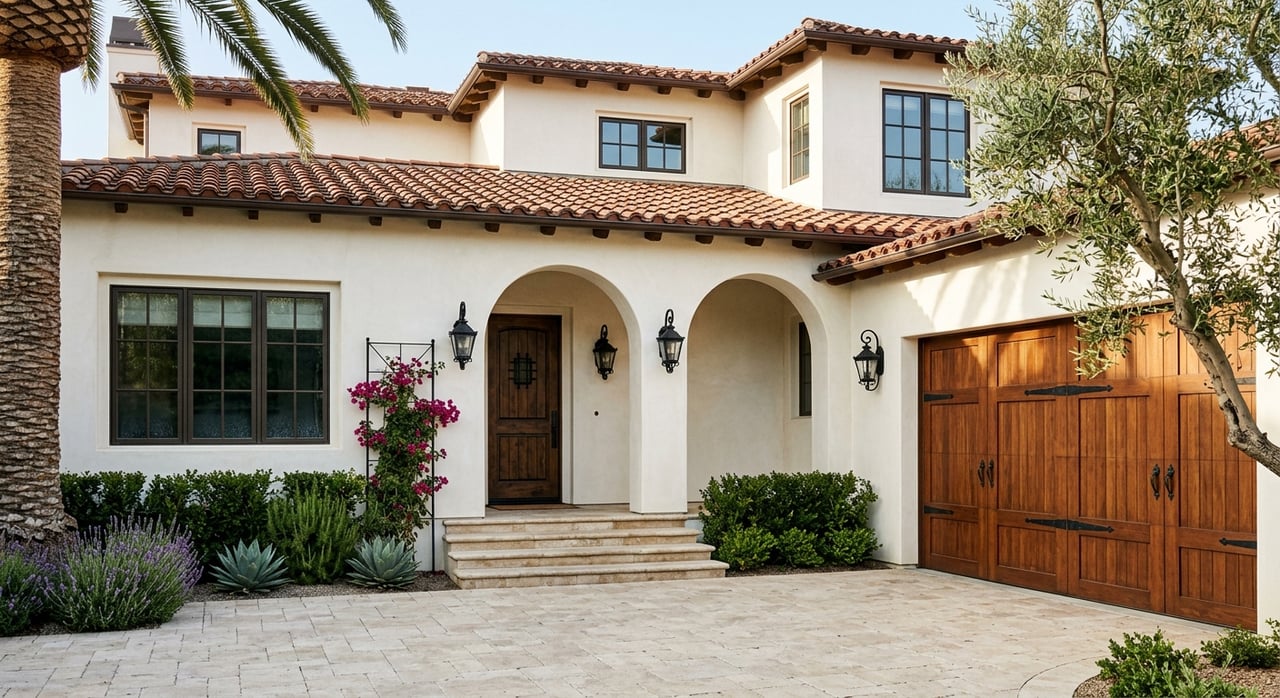
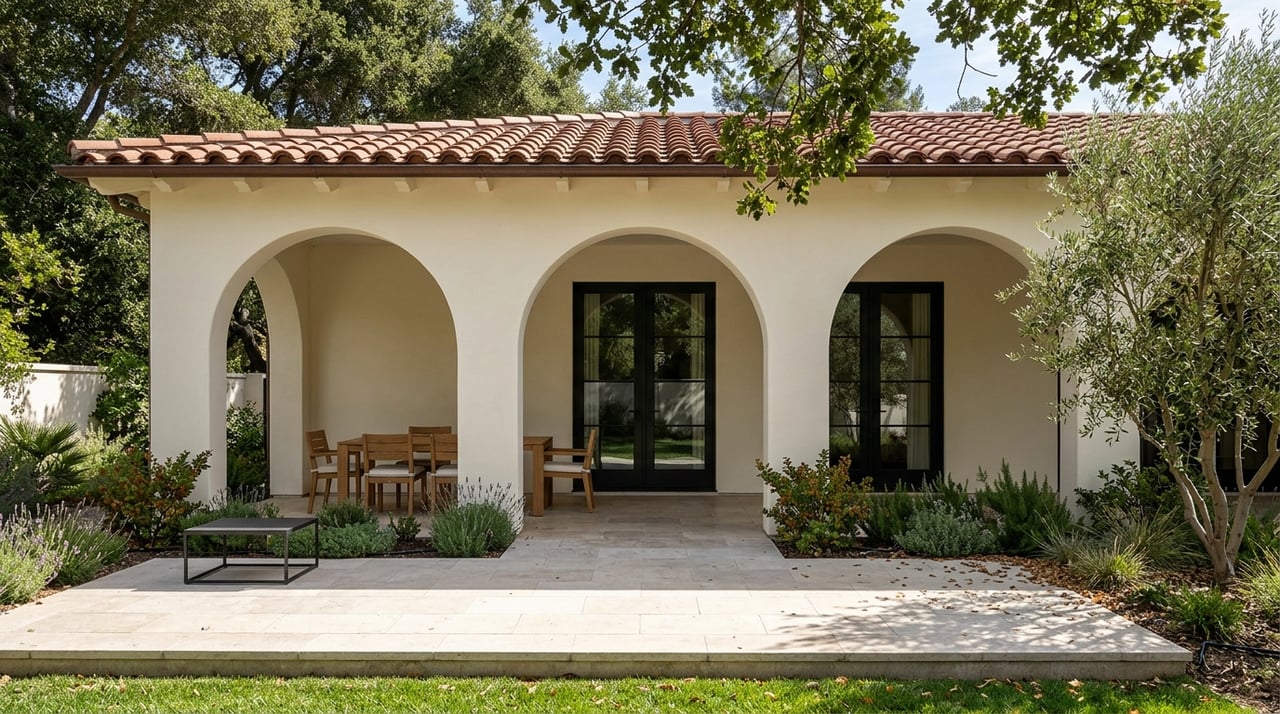
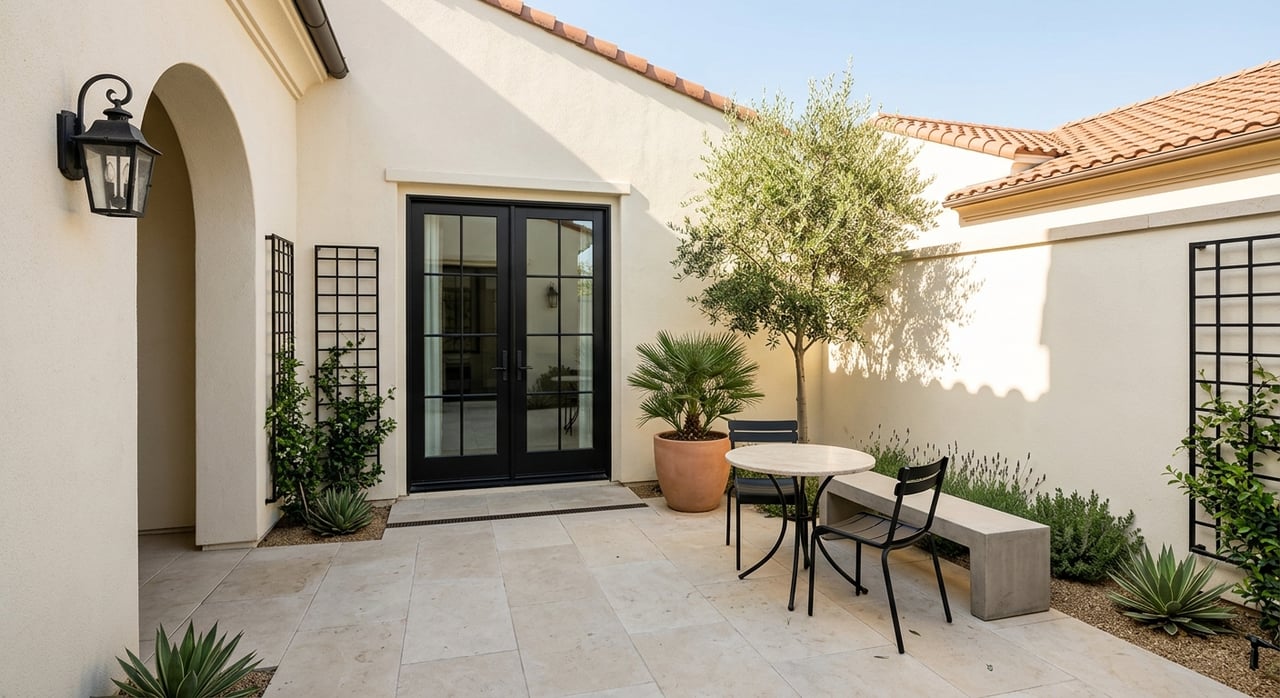
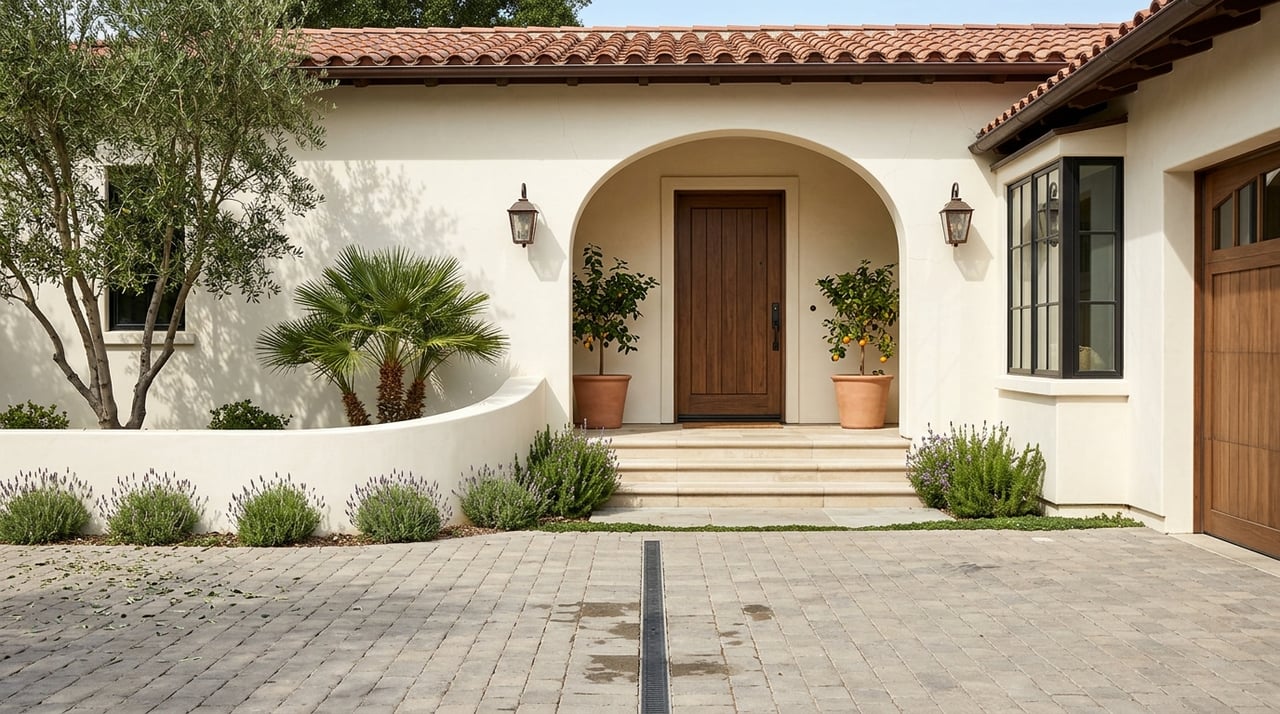
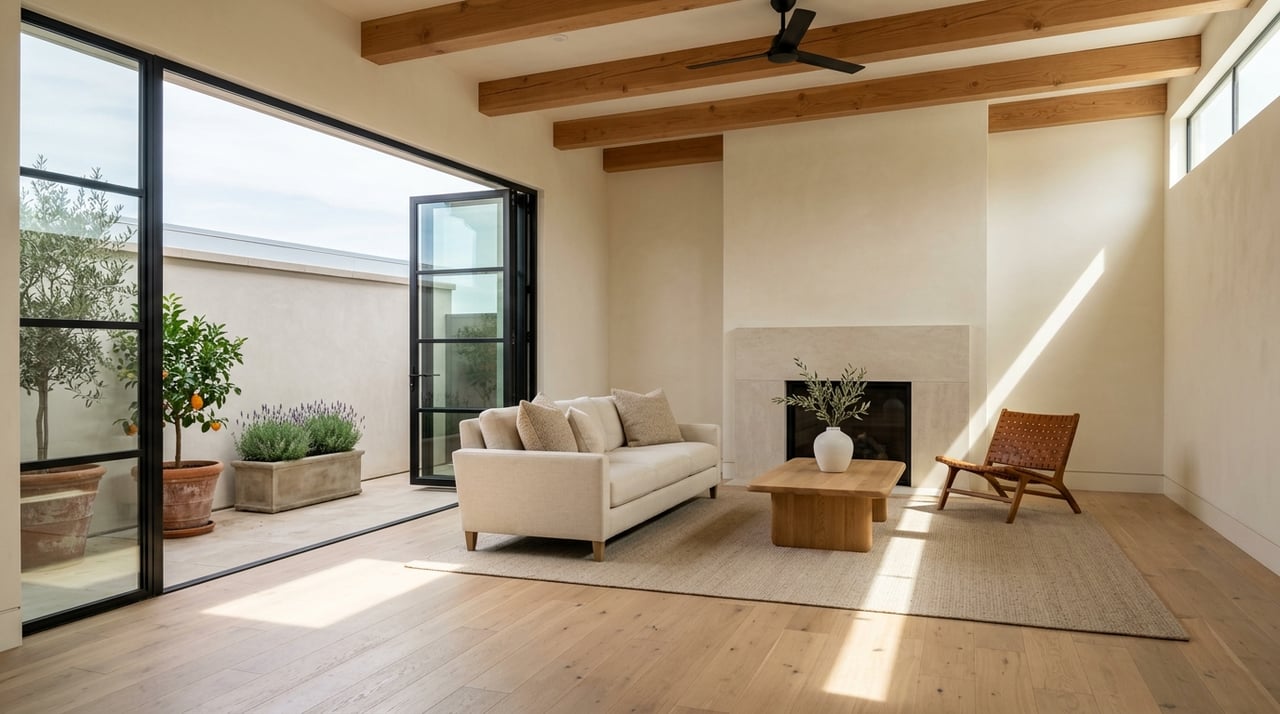
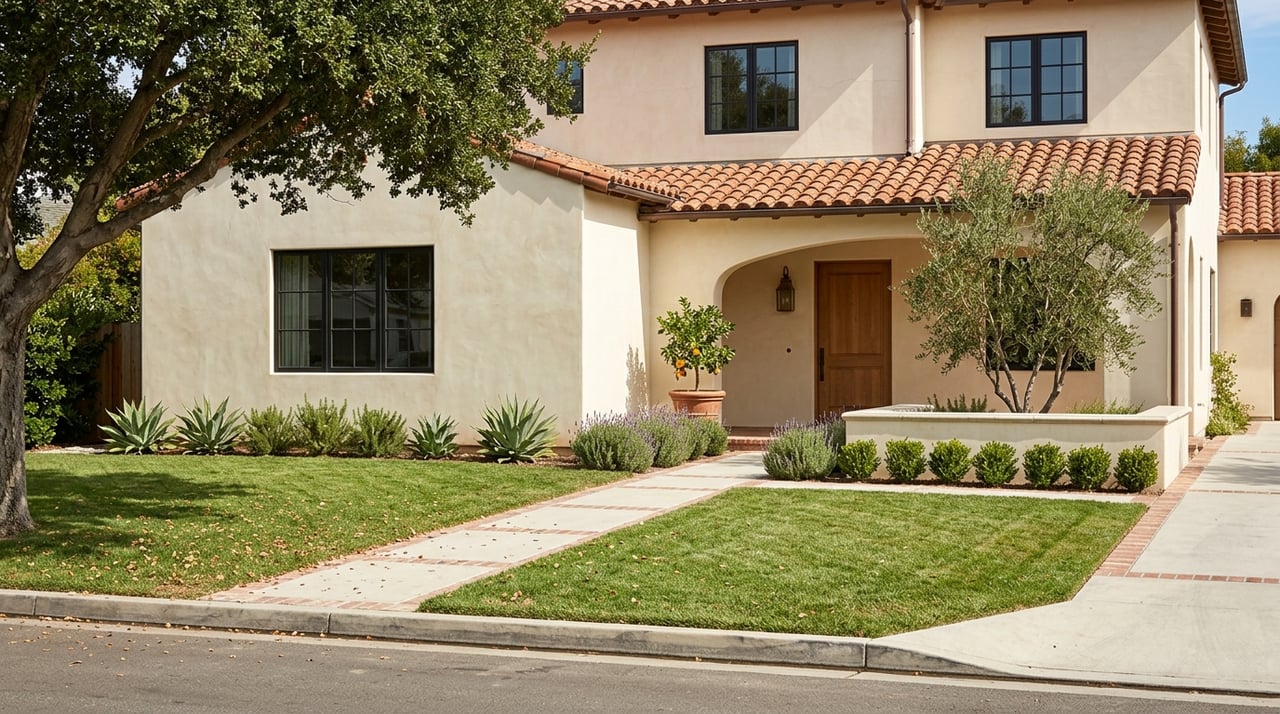
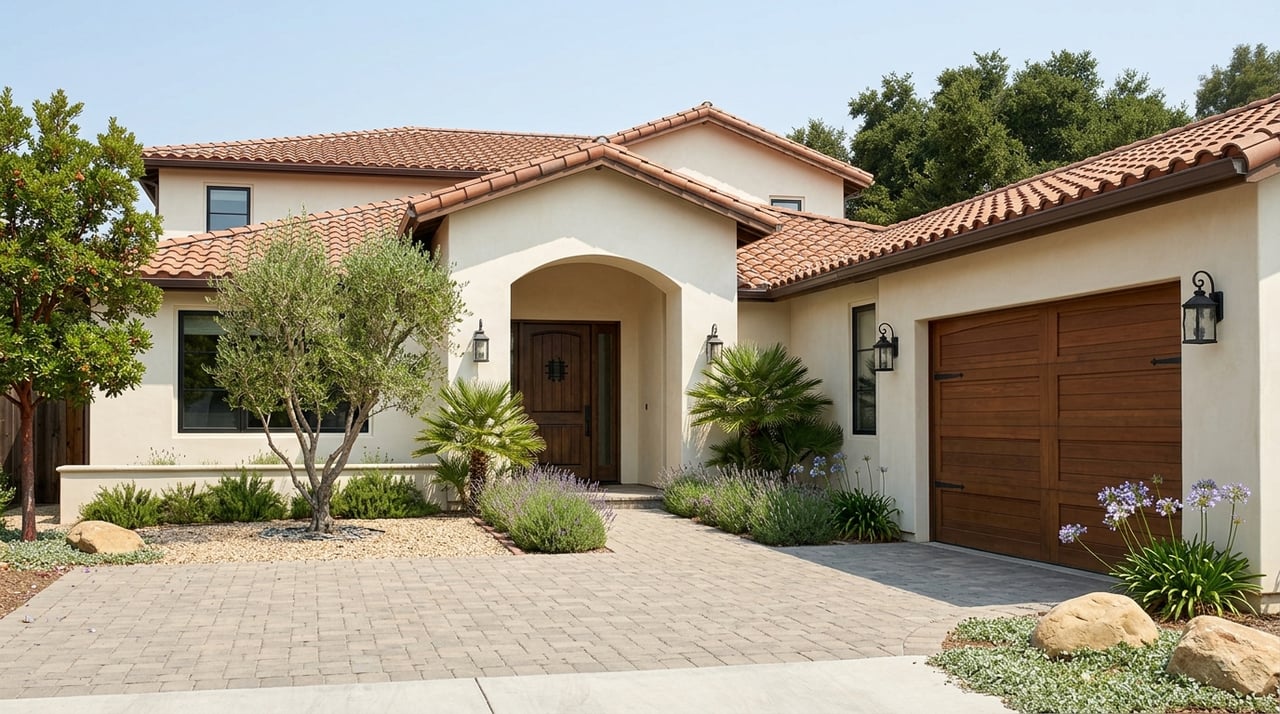
Livermore’s housing stock leans toward single-family homes, with townhomes and condos in select areas and near the core. You will see mid-century ranch styles in established neighborhoods, plus newer master-planned communities with a mix of housing types. The city’s Housing Element outlines how these areas evolved and where new housing may concentrate over time. For a planning-level view of neighborhoods and future sites, review the City of Livermore Housing Element.
Closer to First Street, you will find smaller lots, historic bungalows, infill townhomes, and some low-rise condos. The draw is simple: walk to restaurants, events, and the theater. If you want a compact footprint with character and convenience, this is a good area to focus.
These areas offer established subdivisions with tree-lined streets and neighborhood parks. Homes often reflect mid-century and late-20th-century styles with practical layouts and yards. It is a straightforward suburban feel with quick access across town.
South of downtown, neighborhoods give way to vineyards and a more rural backdrop. You will see larger lots and newer developments at the edges, with a stronger wine country feel as you approach the valley floor and hills. This area suits buyers who want more open views and a slower pace near the vines, as described by the local Chamber’s overview.
Most residents drive for daily commutes, and the average citywide commute sits around 30 minutes. In peak periods, trips along I-580 can stretch, especially heading toward I-680 or the Bay Bridge corridor. If you plan to work on-site several days a week, map your likely routes and test them during rush hour before you buy.
For rail, the Altamont Corridor Express (ACE) provides weekday commuter service through the Tri-Valley, with Livermore-area stations historically serving riders to and from the Altamont corridor. Schedules and station connections are outlined in ACE materials like the ACE shuttle and service map. Looking ahead, the Valley Link project aims to connect Dublin/Pleasanton BART east along the I-580 median to new and existing Tri-Valley stations, including Livermore-area stops, in phases. You can track alignment plans and project goals on the Valley Link project page.
Public transit mode share in Livermore is relatively low, which means many households rely on one or two cars for daily mobility. Healthy Alameda County’s indicator set provides context on commute patterns and car dependence in the area. For a snapshot of how people get around, see the county’s transportation mode-share indicator. Local bus service also connects neighborhoods to rail nodes, so check current routes if you plan to combine modes for your commute.
Livermore is home to Lawrence Livermore National Laboratory, a major national research center that anchors local professional employment. The lab’s presence supports a strong technical workforce and helps stabilize the regional economy. Learn more about the institution on the Lawrence Livermore National Laboratory site.
K–12 public schools are served by the Livermore Valley Joint Unified School District. Las Positas College, a local community college, adds dual enrollment and workforce pathways nearby. For specific program details or boundary updates, review the latest district and college communications.
For everyday errands, you will find neighborhood grocery stores and regional retail centers a short drive away. The downtown farmers market and seasonal events add an easy community rhythm to the week.
Livermore can be a strong match if you want more living space and a relaxed suburban setting while staying within reach of Bay Area job centers. You get a true wine country backdrop without giving up a walkable downtown core. Outdoorsy weekends are simple, and the calendar of local arts and markets keeps things lively.
Consider these tradeoffs as you decide:
If Livermore is on your shortlist, you deserve clear, strategy-driven guidance. From comparing neighborhoods to evaluating renovation scope and resale potential, you will make stronger moves with an experienced advisor at your side. To start a conversation or line up tours, connect with Michael Forkas.
Stay up to date on the latest real estate trends.
Partner with an experienced developer and advisor for your next real estate move.
MICHAEL FORKAS | CA DRE# 01730105
ADDRESS WALNUT CREEK CA 94595