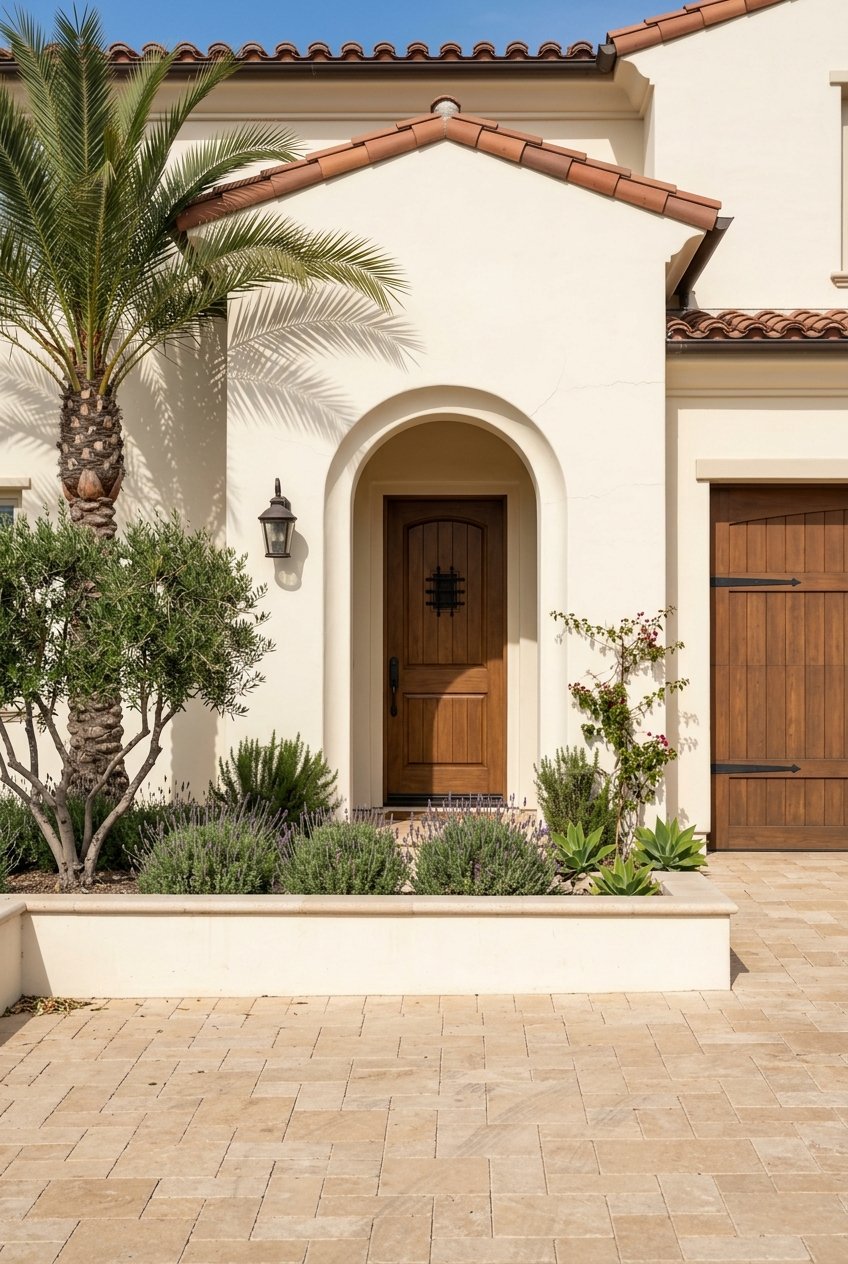
Update Or Sell As-Is? Strategy For Danville Sellers
May 14, 2026
May 14, 2026
If you are getting ready to sell in Danville, one question can shape your entire outcome: should you spend money updating the home, or list it as-is and let the market decide? In a high-value market, it is easy to assume more renovation always means more profit, but that is not always true. The right answer depends on your home’s condition, price point, timeline, and how much project risk you want to take on. Let’s break down how to make a smart, strategic decision.
Danville remains a strong market by current standards. March 2026 data shows median sale prices around $1.892 million, homes selling in about 14 days, and roughly two offers on average. Other March 2026 market snapshots show median listing prices near $2.0 million, a 100% sale-to-list ratio, and homes going pending in around 13 days.
That kind of market can make sellers feel confident, and for good reason. But a strong market does not mean buyers will overlook condition issues. In fact, 46% of buyers say they are less willing to compromise on home condition, which means presentation and obvious repair needs still matter.
Danville also is not one uniform market. Neighborhood listing prices range from under $1 million in some areas to more than $2.7 million on the West Side. That difference matters because buyer expectations often rise with price.
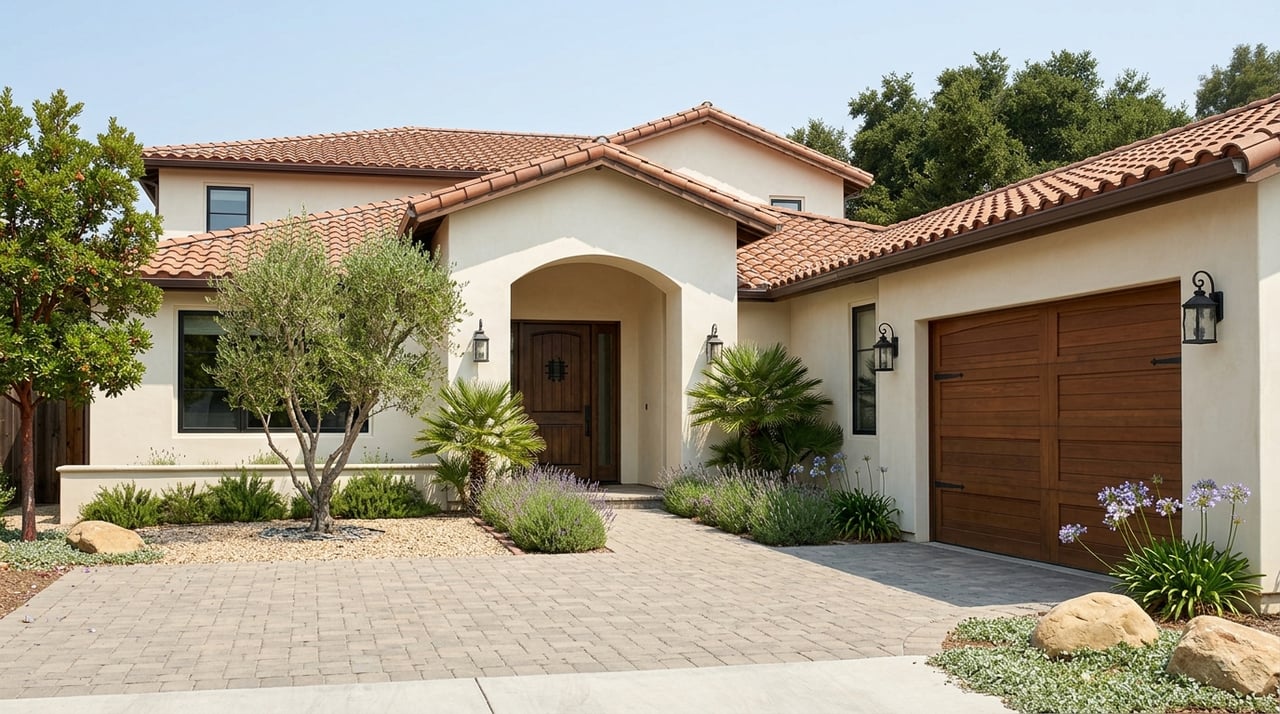
In many Danville sales, the best pre-listing strategy is not a full remodel. It is a focused round of improvements that removes buyer objections and improves first impressions. That usually means spending where buyers notice the result quickly.
According to the 2025 Remodeling Impact Report, the most common pre-listing recommendations are painting the entire home, painting a single room, and making sure the roof is up to par. The same report also found stronger buyer demand for kitchen upgrades, new roofing, and bathroom renovations over the last two years.
That does not mean you should automatically remodel your kitchen or gut a bathroom. The same report shows resale recovery can be mixed on large interior renovations. A minor kitchen upgrade and a full kitchen renovation were both estimated at 60% cost recovery, while a bathroom renovation was estimated at 50%.
By contrast, some smaller projects showed better recovery. A new steel front door was estimated at 100% cost recovery, closet renovation at 83%, a new fiberglass front door at 80%, and new vinyl windows at 74%. Those numbers support a practical approach: improve what buyers see first, fix what creates concern, and avoid overbuilding for the market.
If your goal is to make the home more market-ready without overspending, these are the kinds of projects that often deserve attention:
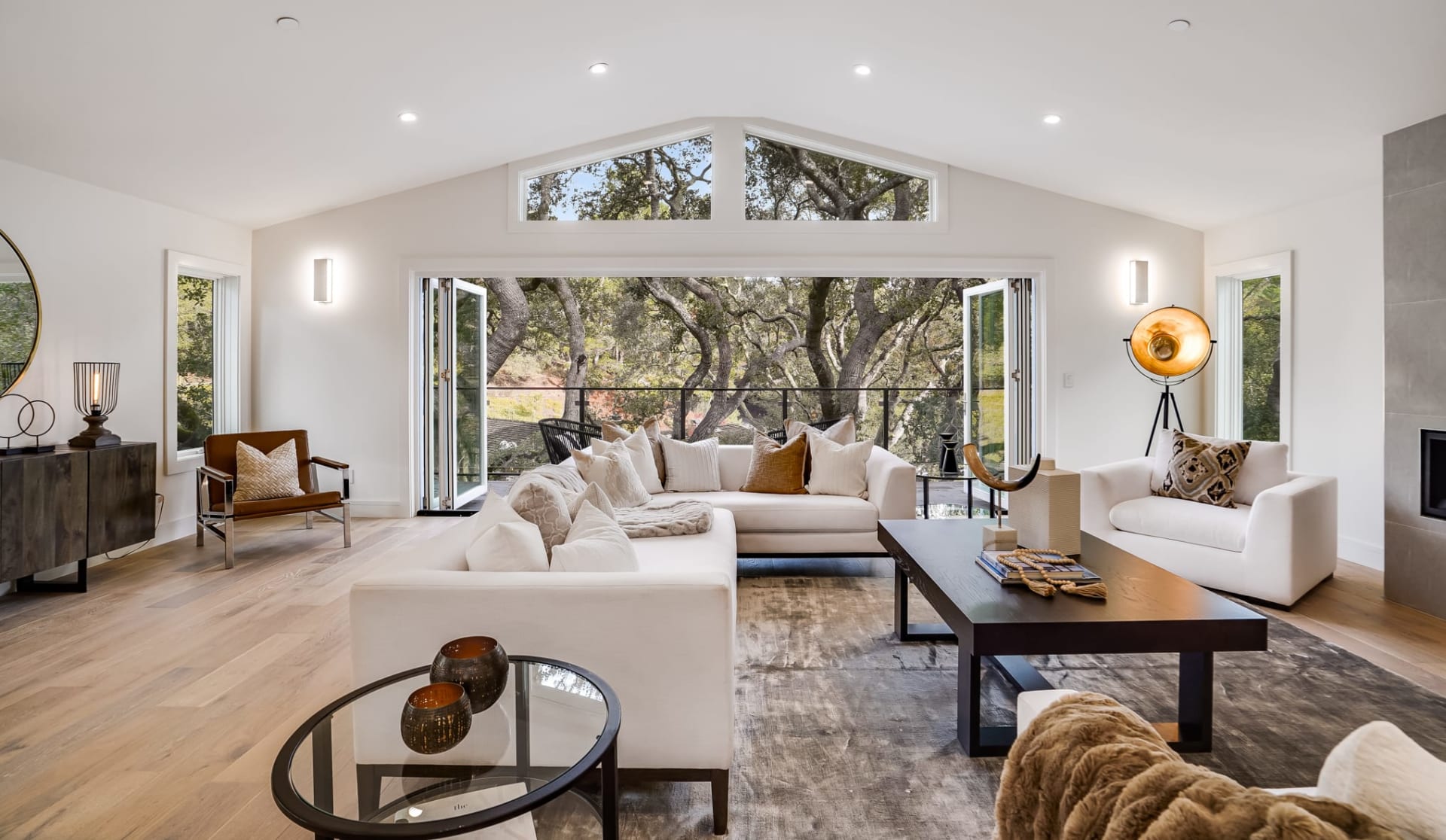
Staging can be especially helpful. In the Remodeling Impact Report, 83% of buyers' agents said staging makes it easier for buyers to visualize a property as a future home. In a competitive Danville market, that matters because buyer emotion still influences offers.
Selling as-is can be the cleaner choice when the home needs more than a cosmetic refresh. If the property has systemic issues, an outdated floor plan, or deferred maintenance that could lead to an expensive and unpredictable project, you may be better off pricing for condition instead of trying to solve everything before listing.
This can also be the right move if you do not want to manage contractors, permits, scheduling, and budget overruns. For probate sales, downsizing situations, or families handling a sale under time pressure, simplicity can have real value. An as-is strategy can reduce stress and shorten the prep timeline, even if it means a different pricing approach.
Just remember that in California, as-is does not mean no disclosure. Under California Civil Code 1102, sellers cannot waive required disclosure obligations simply by calling the sale as-is. If hazard-zone disclosures apply, California Civil Code 1103 also requires those disclosures when a property is in mapped areas such as flood, earthquake fault, seismic, very high fire hazard, or state responsibility area wildland fire zones.
There is another wildfire-related detail Danville sellers should know. If a home is in a high or very high fire hazard severity zone and was built before January 1, 2010, California requires a separate fire-hardening disclosure notice that identifies wildfire-vulnerable features and, as of July 1, 2025, any low-cost retrofit items completed during your ownership.
Danville sellers should think beyond finishes and consider local conditions. The town publishes evacuation-zone information through Genasys, and local agencies direct residents to wildfire preparedness and emergency notification resources. CAL FIRE classifies fire hazard severity based on factors like vegetation, terrain, climate, embers, and fire history.
That means buyers may pay attention to more than countertops and paint colors. Visible fire-hardening work and defensible-space improvements can support buyer confidence, especially in a wildfire-aware market. Even when these features are not flashy, they can help reduce hesitation.
The property’s price tier matters too. In Danville’s upper price ranges, buyers usually expect a more polished and turnkey presentation. In lower-priced pockets, buyers may be more flexible if the home is clean, functional, and priced appropriately for its condition.
If you are trying to decide how much to spend, it helps to compare cosmetic updates with major remodels. National cost benchmarks show a whole-home interior paint job often runs about $3,500 to $10,000. Exterior paint had a median spend of $2,000 in 2024, and roofing upgrades had a median spend of $13,000.
Now compare that with larger interior projects. Bathroom remodels average about $12,134, with a common range of $6,642 to $17,628. Kitchen remodels are even more expensive, with average costs around $26,941 and a common range of $14,590 to $41,538, while Houzz reported a 2024 median kitchen remodel spend of $22,000, with major remodels going much higher.
That gap is why many sellers choose paint, curb appeal, staging, and minor repairs first. These projects are easier to control, easier to complete on schedule, and often easier to justify from an ROI perspective. In many cases, they create enough lift without dragging you into a full renovation cycle.
If you are unsure whether to update or sell as-is, use a condition-based decision process instead of guessing. The goal is not to make the home perfect. The goal is to make the smartest move for your specific property and timing.
One of the smartest first steps is getting a pre-list inspection. California consumer guidance reminds buyers to pay attention to electrical, plumbing, and structural integrity, which gives you a clear sense of what serious buyers are likely to focus on as well.
Once you know the real condition, you can price intelligently and decide whether the highest-value move is to repair, stage, or sell as-is. If you do update, keep the scope disciplined. California's Contractors State License Board recommends verifying contractor license status and complaint history before hiring, which is a good reminder to build a careful, low-risk prep plan.
For most Danville sellers, the answer is not full renovation and not total neglect. It is a middle-ground strategy that fixes what buyers will notice first, strengthens confidence in the home, and avoids sinking money into improvements that may not come back at closing.
That is especially true in a market where homes still move quickly, but buyers remain selective about condition. A clean, well-presented, disclosure-ready home often outperforms a home with obvious issues, but that does not mean you need to chase every possible upgrade.
If you want a strategic opinion on whether to update, stage, or sell as-is, working with an advisor who understands both resale and renovation can make the decision much clearer. Michael Forkas helps Bay Area sellers evaluate condition, prep scope, pricing, and next steps with a practical, results-focused approach.
Stay up to date on the latest real estate trends.

Partner with an experienced developer and advisor for your next real estate move.
MICHAEL FORKAS | CA DRE# 01730105
ADDRESS WALNUT CREEK CA 94595