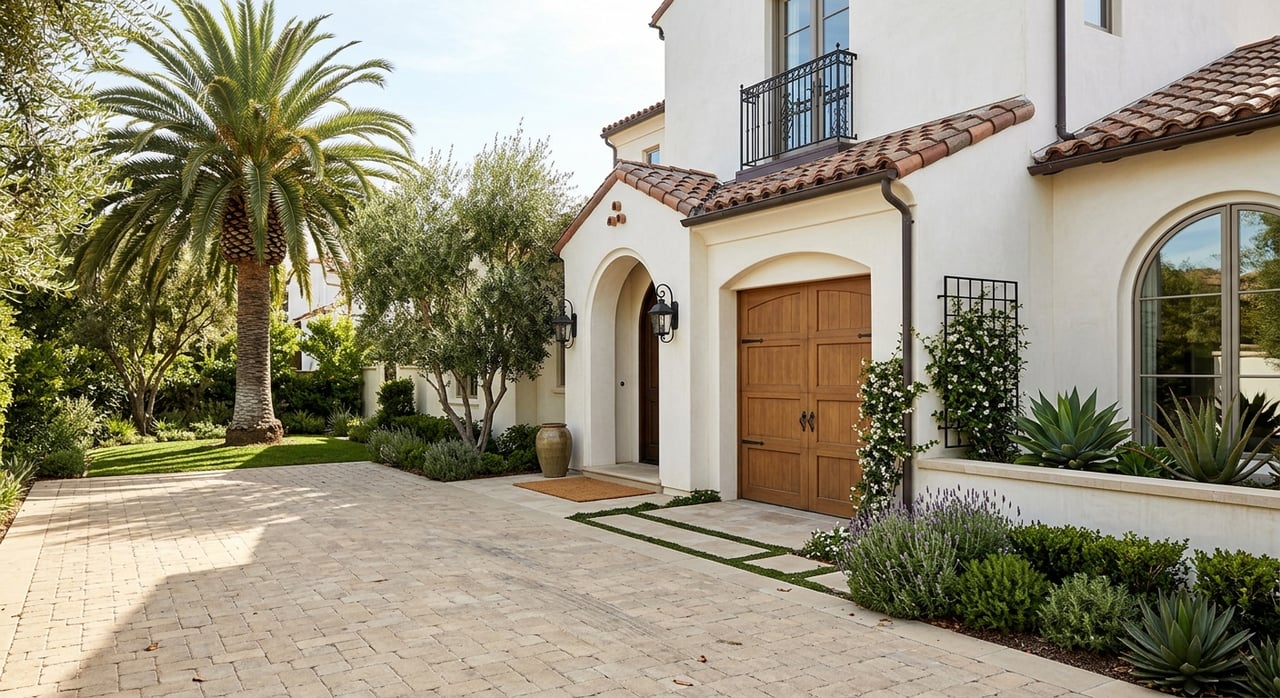
Walnut Creek Sell and Buy Strategy for a Smoother Move
April 23, 2026
April 23, 2026
If you are trying to sell your current home and buy your next one in Walnut Creek, timing can feel like the hardest part of the whole move. You want to protect your equity, avoid unnecessary stress, and stay competitive in a market that can move fast, especially for certain property types. The good news is that with the right plan, you can make smart decisions about pricing, financing, timing, and temporary housing before the pressure is on. Let’s dive in.
Walnut Creek remains an active and competitive market, but not every segment is behaving the same way. Redfin’s March 2026 housing data shows a citywide median sale price of $830,000, with homes selling in a median of 12 days and a 103.0% sale-to-list ratio. More than half of homes sold above list price, and many received multiple offers.
That said, your strategy should depend on what you own and what you want to buy. According to Bay East’s March 2026 market reports, detached single-family homes had 41 active listings, 37 sales, about 1.5 months of inventory, an $1,475,000 median sale price, and an average of 11 days on market. Attached condos and townhomes had 175 active listings, 71 sales, about 3.2 months of inventory, a $675,000 median sale price, and an average of 33 days on market.
The takeaway is simple. Detached homes are tighter and faster-moving, while condos and townhomes usually give buyers and downsizers a bit more room to breathe. If you are selling one type and buying another, that difference matters.
When you are both a seller and a buyer, the biggest question is usually this: should you sell first or buy first? In Walnut Creek, the answer depends less on a universal rule and more on your finances, flexibility, and tolerance for disruption.
A practical way to think about it is through three questions:
These questions matter because buying your next home is not just about the purchase price. The Consumer Financial Protection Bureau notes that closing costs typically run 2% to 5% of the purchase price, before your down payment. That means your sale proceeds may not be the only funds you need to complete the move.
Selling first often gives you the cleanest financial picture. You know what your home actually sold for, how much equity you can use, and what your budget looks like for the next purchase.
This approach can be especially helpful if you need your sale proceeds for the down payment or if you want to avoid carrying two homes at once. It can also reduce the risk of stretching your cash reserves too thin in a market where rates still matter. As of April 16, 2026, Freddie Mac’s weekly survey put the 30-year fixed mortgage rate at 6.30%, down from a year ago but still high enough that monthly payment planning remains important.
The tradeoff is that you may need a temporary place to stay if your next purchase does not line up perfectly. That is why a sell-first strategy works best when you are open to flexible timing.
A sell-first plan may be a strong fit if:
Buying first can be attractive if you want to move once, avoid temporary housing, or lock in the right home before selling. This can be especially appealing if you are moving within Walnut Creek and want to stay close to work, routines, or family logistics.
But this path requires more preparation. The CFPB recommends getting preapproved early, not after you find the home you want. Preapproval can help show sellers you are serious, and it gives you a clearer view of what you can afford before you list or tour.
If you are planning to use a HELOC, bridge loan, or another short-term source of funds, remember that lenders still have to underwrite that debt. The CFPB’s mortgage rules make clear that bridge financing and simultaneous loans still affect qualification and repayment analysis.
A buy-first plan may work if:
In Walnut Creek, the local numbers should shape your timing. If you are selling a detached home, the market data suggests you may have stronger leverage because inventory is tighter and homes are moving quickly. In that case, a traditional listing may still attract strong terms if the home is priced and prepared well.
If you are buying a detached home, expect more competition. NAR’s consumer guide on multiple offers explains that sellers often look beyond headline price. Financing strength, contingencies, earnest money, and closing timing can all influence which offer wins.
If you are moving into a condo or townhome, you may have slightly more negotiating room. With more inventory and longer average market time in that segment, you may be able to make decisions with a little less pressure than you would in the detached market.
Perfectly aligned closings are possible, but they are not something you should count on. A better plan is to understand the tools that can help bridge the gap.
A seller rent-back, sometimes called a leaseback, allows you to close the sale of your home and stay in it for a short period afterward. According to NAR guidance on leasebacks, the arrangement should be in writing, insurance should be reviewed carefully, and many lenders are uncomfortable with rent-backs longer than 60 days.
For many Walnut Creek homeowners, this can be one of the most useful ways to unlock sale proceeds while buying more time for the next move. It is often a practical middle ground between selling first and buying first.
Bridge financing can help if you need to buy before your current home sells. The CFPB states that a temporary bridge loan with a term of 12 months or less can be used to finance the purchase of a new dwelling when you plan to sell your current one within 12 months.
This tool can create flexibility, but it is not free flexibility. You still need to qualify, understand repayment terms, and make sure the extra debt fits your broader plan.
Sometimes the least stressful move is the one that gives you breathing room. That could mean a short-term rental, an extended-stay option, staying with family, or using storage while your sale and purchase line up.
This is not always your first choice, but it can give you a stronger position on both sides of the transaction. You may be able to sell cleanly, negotiate your purchase with fewer constraints, and move without rushing every decision.
In a fast-moving market, certainty can matter just as much as speed. NAR’s multiple-offer guidance notes that sellers may prefer all-cash offers because they remove mortgage financing risk.
That is one reason cash-offer or guaranteed-sale pathways can be useful for some Walnut Creek homeowners. If your priority is a predictable close date, fewer repairs, less prep, or the ability to move quickly on your next home, these options may be worth comparing.
The key is to compare net proceeds versus convenience. In a strong detached-home segment, a traditional listing may still deliver a fast sale and strong terms. If you are exploring a cash-offer or guaranteed-sale option, compare the effective price, fees, repair deductions, move-out terms, and timeline against what the open market may offer.
Because Michael Forkas brings both resale and redevelopment experience to the table, you can also evaluate your home through a broader lens. In some cases, condition issues that feel overwhelming to you may be manageable with the right prep strategy, vendor coordination, or pricing plan.
If you are selling and buying at the same time, preparation is what creates options. Before your home hits the market or you start touring seriously, build a plan around financing, timing, and property-specific strategy.
A smart starting checklist includes:
Walnut Creek remains a market where good planning can create a real edge. With detached homes moving quickly and attached homes offering a different pace, your best path depends on matching your personal goals with the realities of the local market.
If you want a strategy that looks at timing, property condition, market positioning, and your next move together, Michael Forkas can help you build a plan that fits the way you actually want to move.
Stay up to date on the latest real estate trends.

Partner with an experienced developer and advisor for your next real estate move.
MICHAEL FORKAS | CA DRE# 01730105
ADDRESS WALNUT CREEK CA 94595